China's Currency Strategy Is Already Working Without Replacing the Dollar
Beijing doesn't need the renminbi to dethrone the dollar. It's quietly dismantling dollar dependency on its own terms.
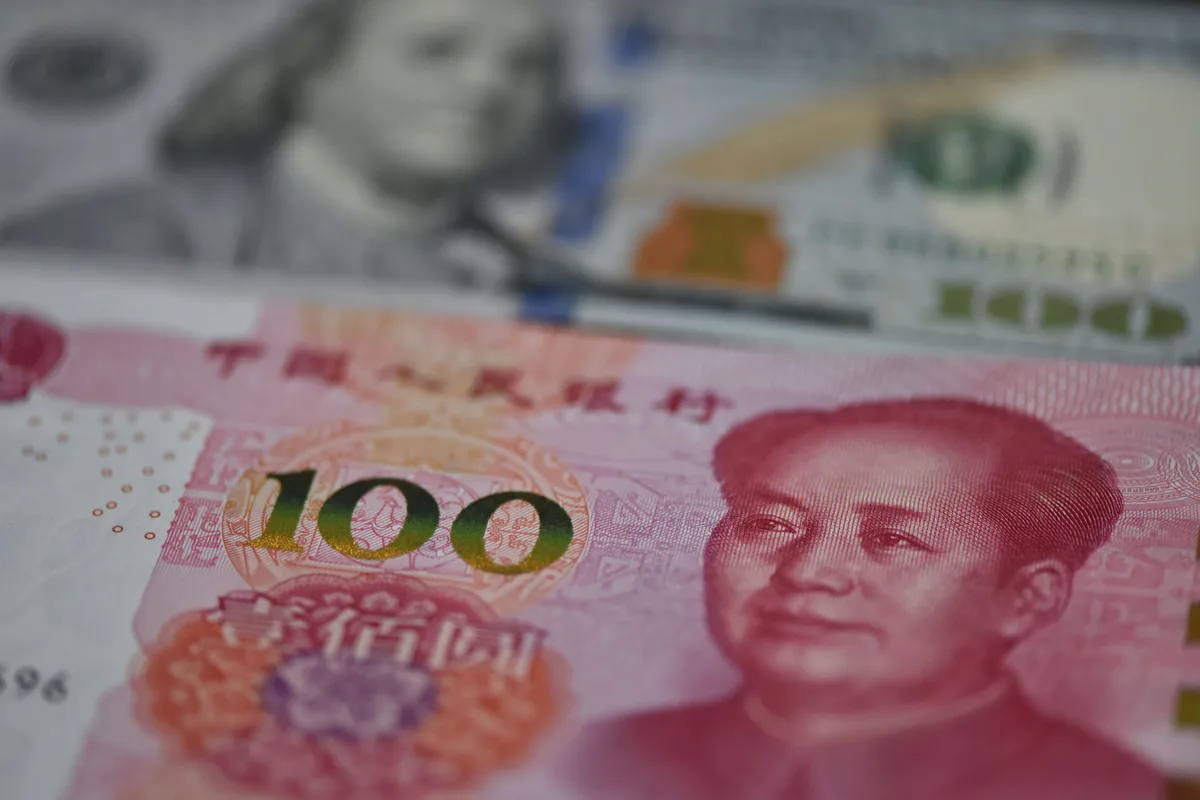
The framing of a U.S.-China currency rivalry is almost always cast as a race: will the renminbi one day displace the dollar as the world's reserve currency? That question, while dramatic, misses the more consequential story already unfolding. China is not attempting a direct substitution — it is methodically eroding the structural advantages that dollar dominance confers on the United States.
Washington's leverage over the global financial system rests not just on the dollar's reserve status but on the dependencies that status creates: nations holding dollar-denominated reserves, commodities priced in dollars, and cross-border transactions routed through American financial infrastructure. Beijing's strategy targets each of these dependencies without requiring the renminbi to become a universally trusted store of value — a threshold China is not yet near and may not need to reach.
Read more FedEx Earnings Signal Resilient Growth and AI Spending Ripple →
By expanding bilateral trade agreements settled in yuan, deepening financial relationships through institutions like the BRICS payment architecture, and encouraging commodity transactions outside dollar channels, China is constructing an alternative plumbing system for global commerce. The goal is not to make the renminbi king but to make the dollar less indispensable — a subtler and arguably more achievable objective given the renminbi's current capital-account restrictions.
The analytical mistake observers repeatedly make is measuring Chinese success by a single metric — renminbi market share in global reserves — while ignoring the broader erosion of dollar coercive power. Sanctions effectiveness, dollar-denominated debt leverage, and the reach of U.S. financial regulation all diminish as more trade and finance flows outside dollar rails, regardless of what currency fills that space.
Understanding this distinction matters enormously for U.S. policymakers and investors alike. A world where the dollar remains nominally dominant but functionally optional in large swaths of global commerce is a materially weaker position than today's. Continue reading at US Top News and Analysis.