Trump Advisors Back Off Fed Chair Warsh as Inflation Climbs
Trump's economic team is giving new Fed Chairman Kevin Warsh room on rates even as the president publicly pushes for cuts amid rising inflation.
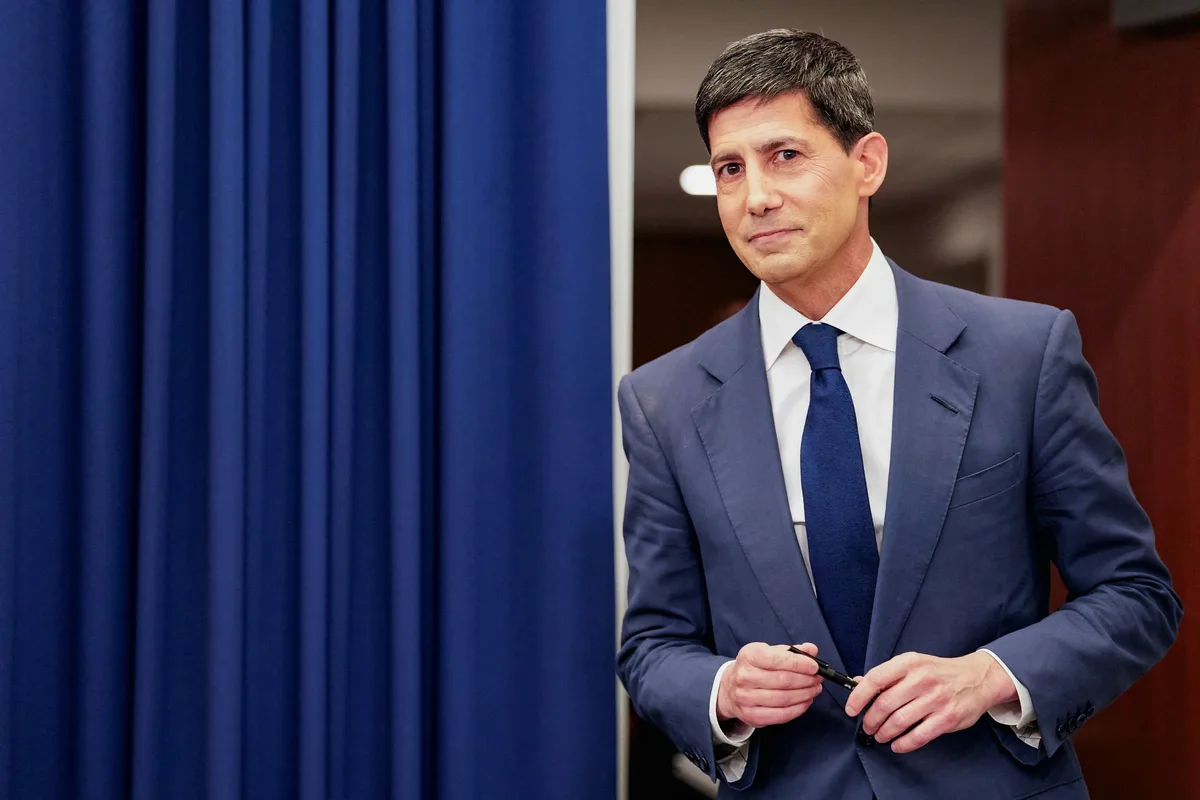
The Trump administration appears to be threading a delicate needle on monetary policy: publicly demanding lower interest rates while privately giving Federal Reserve Chairman Kevin Warsh the operational space to resist premature cuts. According to reporting from US Top News and Analysis, economic advisors close to the president are deliberately easing pressure on Warsh as inflation climbs above the 4% threshold — a level that would ordinarily argue against the rate reductions Trump has vocally championed.
The dynamic reveals a growing tension at the heart of the administration's economic strategy. Trump has repeatedly called for lower borrowing costs, a familiar refrain from a president who views cheap credit as a driver of growth and market confidence. Yet allowing that political pressure to visibly dictate Fed policy would risk rattling bond markets and undermining the central bank's inflation-fighting credibility — a credibility that took years to rebuild after the post-pandemic price surge.
Read more Minneapolis Fed's Kashkari Signals Rate Hike Expected This Year →
Warsh, who assumed the chairmanship under Trump, now finds himself in the uncomfortable position familiar to every Fed chief: managing the gap between what elected officials want and what the economic data demands. With inflation running above 4%, cutting rates aggressively would risk re-accelerating price pressures, potentially forcing an even more painful tightening cycle down the road. The advisors' decision to give him room suggests at least some in the White House grasp that tradeoff.
What makes this moment analytically significant is not just the policy mechanics but the institutional signal it sends. A Fed chairman perceived as insulated from political interference can anchor inflation expectations more effectively — markets take comfort in predictability. If the White House maintains this posture, Warsh may be able to navigate a cautious, data-dependent path. If Trump's public pressure intensifies, that calculus changes quickly, and the administration may find it owns the inflation story more directly than it intended.
Continue reading at US Top News and Analysis.