America's 10 Worst States to Live In for 2026 Ranked
A new ranking identifies the 10 worst U.S. states for residents, weighing crime, healthcare access, cost of living, and regulatory climate.
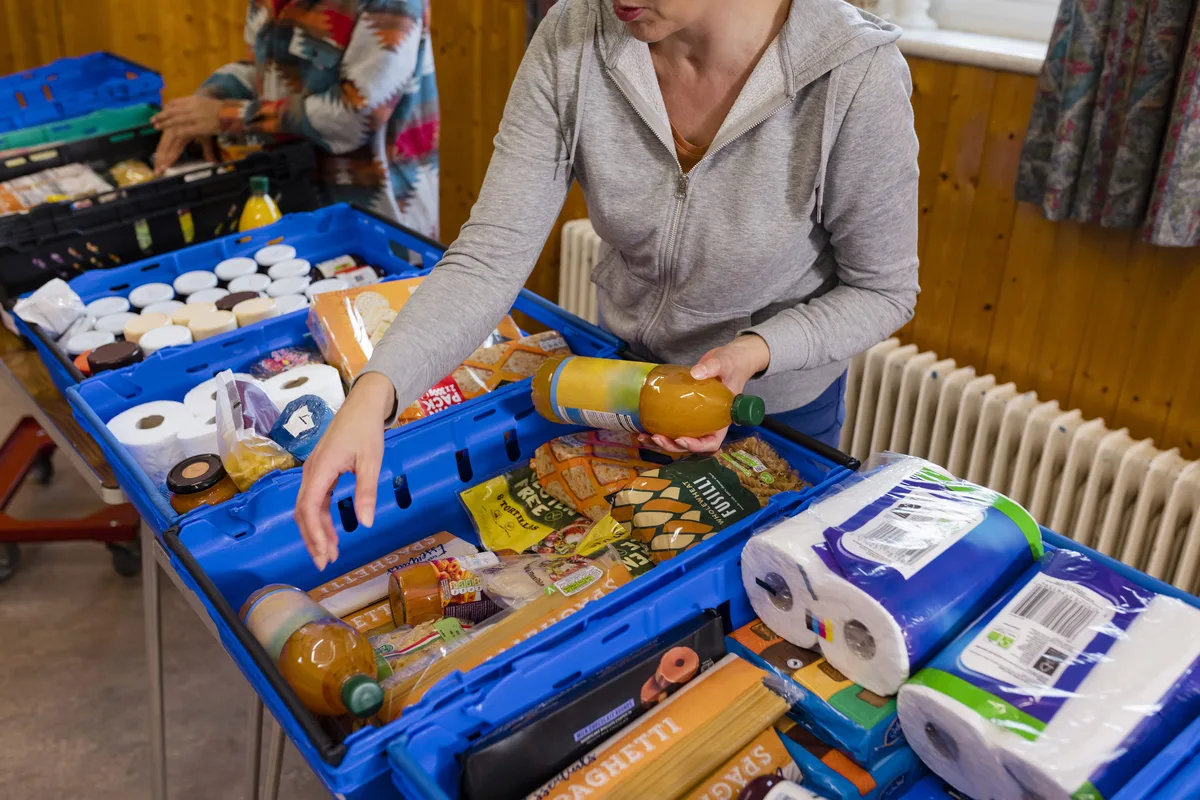
Where Americans choose to plant roots involves far more than the price of a home or the burden of state taxes. A new analysis ranking the worst states to live in for 2026 underscores a familiar tension in American geography: some states that advertise low costs and light regulatory touch simultaneously struggle with elevated crime rates and inadequate healthcare infrastructure — factors that ultimately weigh heavily on quality of life.
The ranking reflects a multi-dimensional view of livability, one that resists the temptation to reduce a state's appeal to a single variable like affordability. A low cost of living can be a meaningful draw, particularly for households squeezed by inflation, but analysts and demographers increasingly argue that cheap housing means little when residents face unsafe neighborhoods or limited access to medical care. These trade-offs are not evenly distributed — they tend to fall hardest on lower-income residents with fewer resources to compensate privately for public shortcomings.
Read more Fed Expected to Hold Rates Steady: What It Means for You →
The findings arrive at a moment when interstate migration remains near historic highs, with millions of Americans reconsidering where they live in the wake of remote-work flexibility unlocked during the pandemic era. States that once gained population through cost advantages may find those gains eroding if livability concerns — crime trends, healthcare deserts, and underfunded public services — begin to override the financial calculus that drove earlier moves.
For policymakers, the rankings serve as a pointed reminder that economic competitiveness and human welfare are not always aligned. A state can attract businesses through deregulation and low taxation while simultaneously failing to deliver the baseline public goods — safety, health access, functional infrastructure — that residents need to thrive. Bridging that gap will likely define the next wave of state-level governance debates as Americans vote with both their ballots and their moving trucks.
Continue reading at US Top News and Analysis