World Cup Ads: Why Non-Sponsors Are Outperforming Official Brands
Unofficial brands are gaining more traction than official World Cup sponsors, signaling a shift toward authentic advertising strategies.
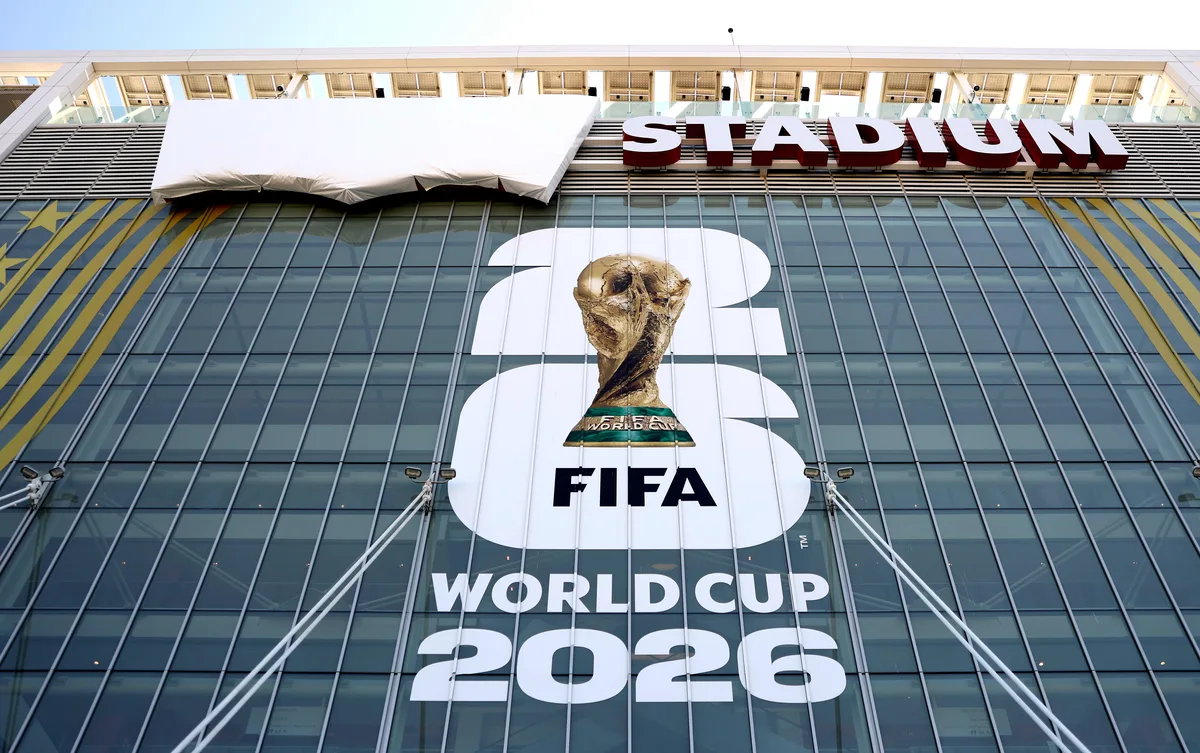
In the high-stakes arena of World Cup advertising, the brands capturing consumer attention may not be the ones that paid premium prices for official sponsorship rights. This emerging dynamic points to a fundamental tension in modern marketing: institutional visibility does not automatically translate into genuine audience connection.
Official sponsors invest enormous sums to secure naming rights, stadium placements, and broadcast partnerships — yet the brands resonating most with viewers appear to be those operating outside that formal structure. The pattern suggests that consumers are increasingly adept at distinguishing between corporate obligation and cultural authenticity, and are gravitating toward the latter.
Read more Walmart Heir Lukas Walton Takes Minority Stake in Chicago Bulls →
This development reflects what analysts have increasingly noted as a broader realignment in brand strategy. Audiences, particularly younger demographics, tend to reward brands that communicate a coherent identity and genuine enthusiasm rather than those simply purchasing proximity to a major event. A logo on a pitch-side board, it turns out, does not guarantee emotional recall.
The implications for marketing budgets are significant. If non-sponsor brands can generate comparable or superior engagement through creative, culturally attuned campaigns — often at a fraction of the cost of official partnerships — then the traditional calculus behind event sponsorship deserves scrutiny. The World Cup, as one of the world's most-watched events, serves as an unusually sharp lens for measuring what actually moves consumers.
What this trend ultimately illuminates is the growing premium on authenticity as a brand asset. Companies willing to craft messaging that feels organic to the moment, rather than contractually mandated, appear positioned to extract outsized returns from the global spectacle. Continue reading at US Top News and Analysis.