Why Warren Buffett's Three Favorite Stocks Still Matter
Buffett's long-held equity preferences reveal a consistent investment philosophy worth understanding in any market cycle.
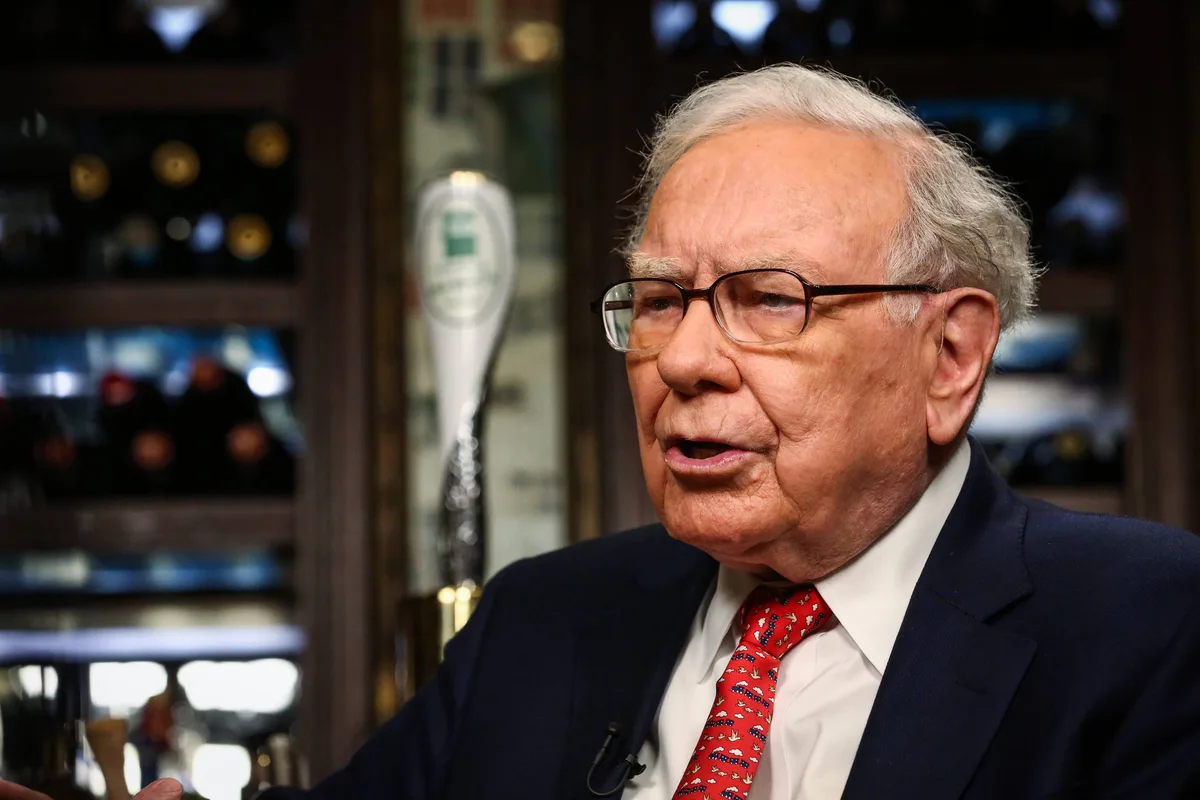
Warren Buffett has spent decades demonstrating that long-term conviction in a handful of carefully chosen companies can outperform nearly any diversified strategy. His publicly named favorite stocks are not arbitrary picks — they reflect a coherent worldview about durable competitive advantages, predictable cash flows, and management integrity that has defined Berkshire Hathaway's success for more than half a century.
What makes Buffett's preferred holdings particularly instructive is not simply their historical returns, but the reasoning behind the selections. Each company he has elevated to "favorite" status tends to share certain structural qualities: pricing power that holds up across economic downturns, a brand moat that discourages meaningful competition, and a business model that does not require constant reinvention to remain relevant. These are not growth stocks in the conventional Silicon Valley sense — they are compounding machines built for decades, not quarters.
Read more Why Strong Bank Earnings Still Sent Bank Stocks Lower →
For retail investors, the deeper lesson embedded in Buffett's framework is patience. Markets routinely misprice even the strongest businesses during periods of fear or uncertainty, and Buffett's track record suggests that buying high-quality names at reasonable valuations — and then doing very little — remains one of the most reliable wealth-building strategies available to ordinary investors. His favorites serve as a kind of case study in how to filter out noise and focus on business fundamentals.
Analysts and institutional observers often note that Buffett's public disclosures about his preferred holdings function almost as a curriculum for value investing. When the Oracle of Omaha elevates a stock by name, it signals not just a buy thesis but an entire philosophy about what makes a business worth owning across market cycles, recessions, and technological disruption alike. That signal carries weight precisely because it is backed by a multi-decade, real-money track record.
Continue reading at Yahoo Finance.