Why Wall Street's Consensus on Buying Dips Should Concern You
When every investor agrees on a strategy, its edge disappears. Here's why the buy-the-dip reflex may be a warning sign.
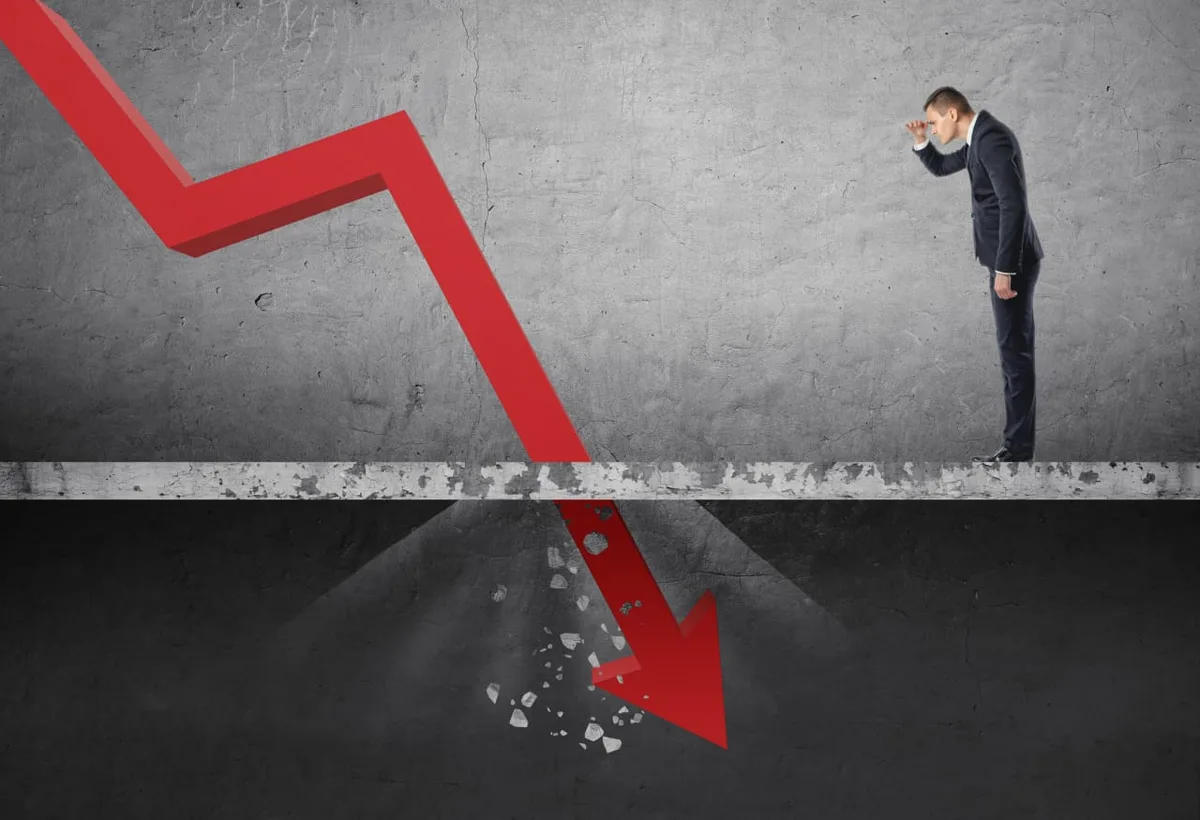
There is a peculiar danger that emerges when a market strategy stops feeling like a bet and starts feeling like gravity. Buying the dip — snapping up equities after a price decline on the assumption that prices will recover — has become so widely embraced on Wall Street that it now carries the weight of conventional wisdom. And that near-universal consensus is precisely what should give investors pause.
Market strategies derive their power from asymmetry: an edge exists when you see something others don't, or act when others won't. Once a trade becomes reflexive — embedded in the behavior of institutional desks, retail platforms, and algorithmic systems alike — that asymmetry evaporates. The crowd cannot collectively outperform itself. What once rewarded the disciplined contrarian now simply mirrors the market's own momentum, minus the selectivity that made it useful.
Read more Microsoft, Visa, and Apple Stand Out as Long-Term Holds in Mid-2026 →
The deeper issue, according to analysis flagged by MarketWatch, is empirical: buying the dip as a systematic strategy actually underperforms a straightforward buy-and-hold approach over the long run. This is not a minor gap that sophisticated execution can close. It is a structural drag — the product of transaction costs, mistimed entries, and the opportunity cost of holding cash while waiting for declines that may arrive later or shallower than expected.
This matters especially at a moment when retail participation in equities is historically elevated and financial media reinforces dip-buying as almost a civic reflex after every market wobble. Behavioral unanimity in financial markets has historically preceded periods of elevated volatility or outright disappointment, not because agreement is inherently wrong, but because crowded positioning leaves no one left to buy when conviction is actually needed.
The lesson here isn't that investors should sell every rally or abandon equities altogether — it's that strategies require skepticism proportional to their popularity. When something feels like free money to everyone simultaneously, the market has almost certainly already priced in that feeling. Continue reading at MarketWatch.com



