Why Wall Street Is Betting Micron Could Be the Next Nvidia
Analysts are growing bullish on Micron as AI-driven memory demand surges, drawing comparisons to Nvidia's explosive growth.
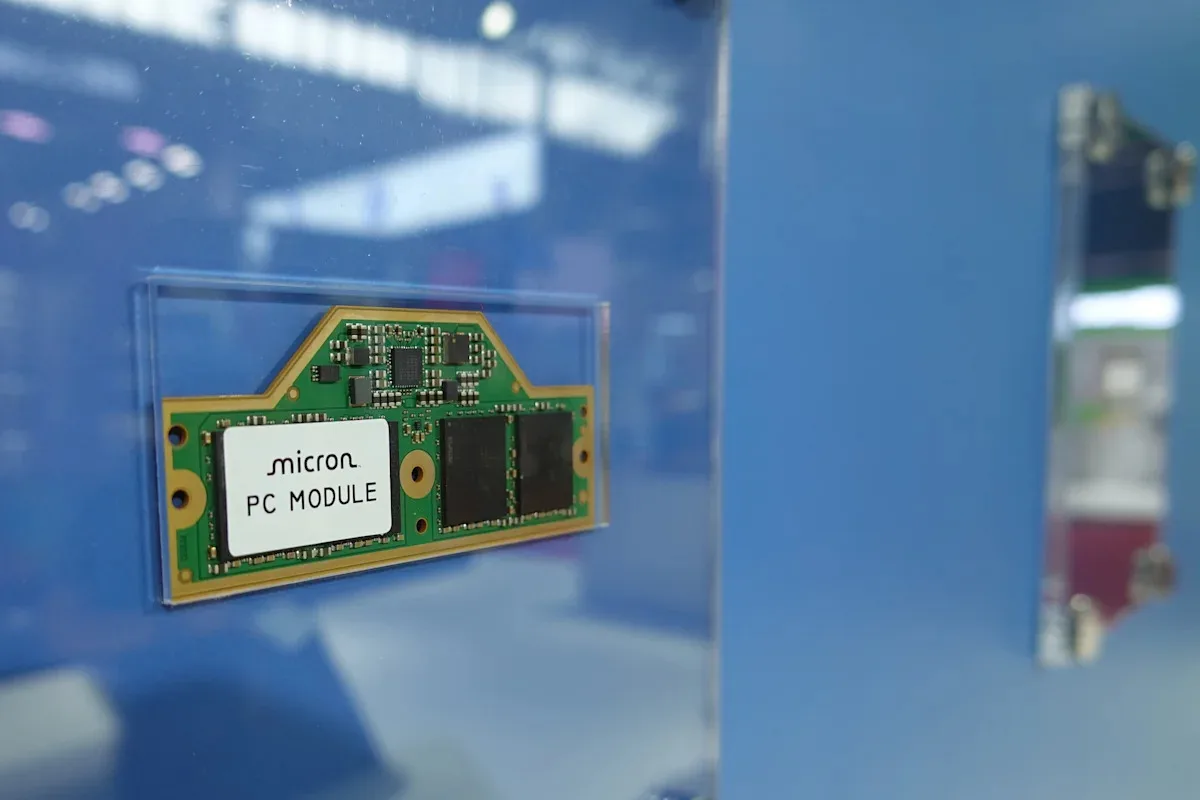
Wall Street's appetite for AI infrastructure plays has found a new focal point: Micron Technology, the Idaho-based memory chip manufacturer that some analysts now believe could replicate the kind of transformative growth Nvidia achieved as the backbone of the artificial intelligence boom. The comparison is bold, but it reflects a broader recognition that the hardware underpinning AI systems extends well beyond graphics processors — and that memory is a critical, often underappreciated, bottleneck in the AI supply chain.
The bull case for Micron centers on the surging demand for high-bandwidth memory, a specialized chip architecture essential for training and running large AI models. As data centers race to expand their AI capabilities, the need for faster, denser memory has accelerated sharply, and Micron — alongside a small number of global rivals — is positioned to capture an outsized share of that spending. Investors who remember Nvidia's dramatic re-rating as the market grasped the full scope of AI compute demand are now asking whether a similar dynamic could unfold in memory.
Read more Jobs Data, Nike Earnings, and a Major Breakup to Watch This Week →
The analogy has limits worth acknowledging. Nvidia built an extraordinary competitive moat through its CUDA software ecosystem, giving it pricing power and customer lock-in that pure hardware manufacturers rarely enjoy. Micron operates in a market that has historically been cyclical and brutally competitive, with Korean giants Samsung and SK Hynix as formidable opponents. Memory markets have a long history of boom-and-bust cycles driven by oversupply, which complicates any straightforward comparison to Nvidia's more durable dominance.
Still, the structural argument is hard to dismiss entirely. If AI infrastructure spending proves as durable as many forecasters expect, the sustained demand for advanced memory could smooth out some of the cyclicality that has long plagued the sector. That would represent a genuine regime change for how investors price memory stocks — and could validate the increasingly vocal camp on Wall Street that sees Micron as a primary, rather than peripheral, beneficiary of the AI era.
Continue reading at finance_yahoo.