Why the U.S. Auto Market Could Shrink Sharply by 2040
A forecaster warns a 'perfect storm' of structural forces will shrink U.S. auto sales well beyond current dips.
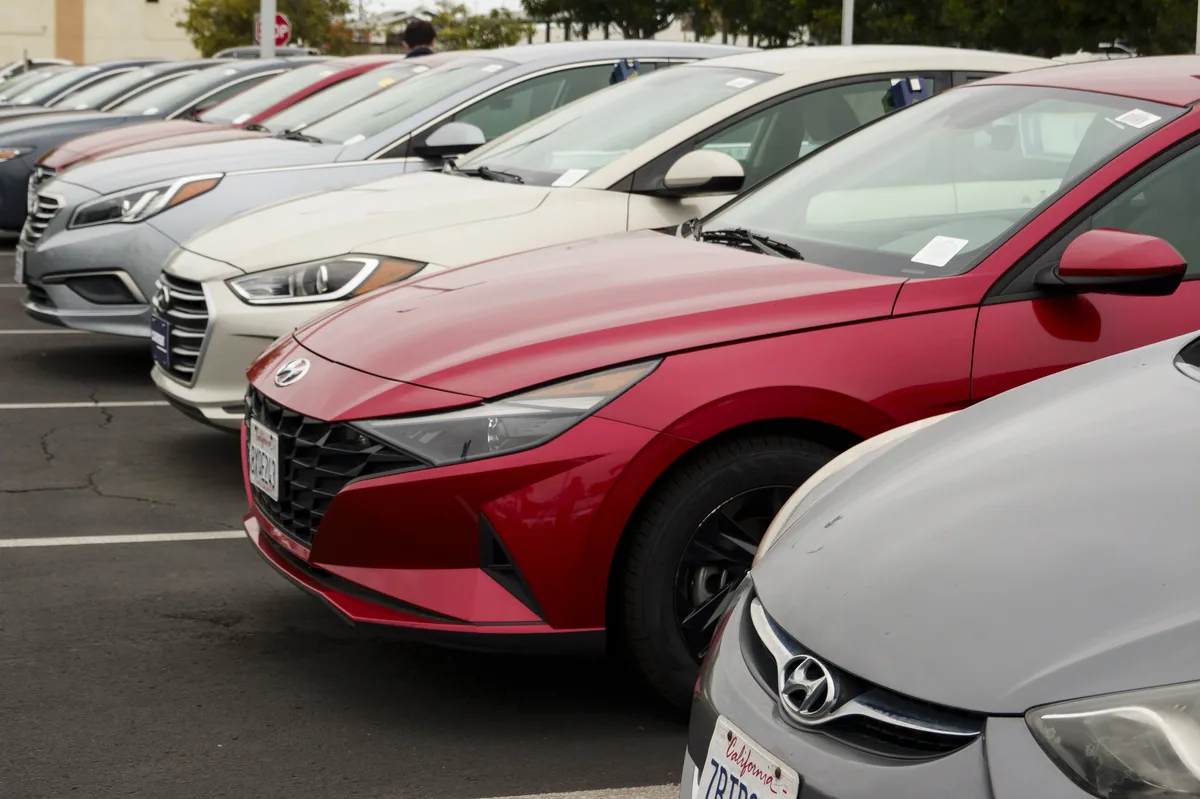
The American automobile market, long one of the most reliable engines of consumer spending, is facing what at least one prominent industry forecaster describes as a "perfect storm" of converging pressures — and the turbulence, the analysis suggests, is not a cyclical blip but a lasting structural shift.
Vehicle sales in the United States have already been trending downward, and the forecaster's argument is that the forces driving that decline are not the kind that a recovering economy or a round of incentives can easily reverse. Demographic change, evolving urban mobility preferences, the rise of ride-sharing platforms, and the slow but accelerating adoption of longer-lasting electric vehicles all point in the same direction: Americans, as a whole, will need to buy fewer cars in the decades ahead.
Read more Johnson & Johnson Wins Talc Cancer Lawsuit Involving Three Women →
The implications for the broader industry are significant. Automakers, suppliers, and dealerships have long calibrated their business models around a relatively stable annual sales volume. A structurally smaller market by 2040 would force painful reckonings across that entire ecosystem — from manufacturing capacity decisions to workforce planning and retail footprints.
What makes the "perfect storm" framing analytically compelling is the simultaneity of the pressures. No single factor would be enough to permanently reshape the market, but several acting in concert — demographic plateaus, shifting ownership norms among younger consumers, and vehicle longevity improvements — create compounding headwinds that traditional demand forecasts may be underweighting.
For investors, policymakers, and industry participants, the core takeaway is that planning horizons need to extend well beyond near-term sales cycles. The U.S. auto market of 2040 may look structurally different in size and composition from anything the industry has navigated before. Continue reading at US Top News and Analysis.