Why the Stock Market and Economy Often Move Apart
AI-driven market gains have surged ahead of broader economic growth, raising questions about what stocks actually signal.
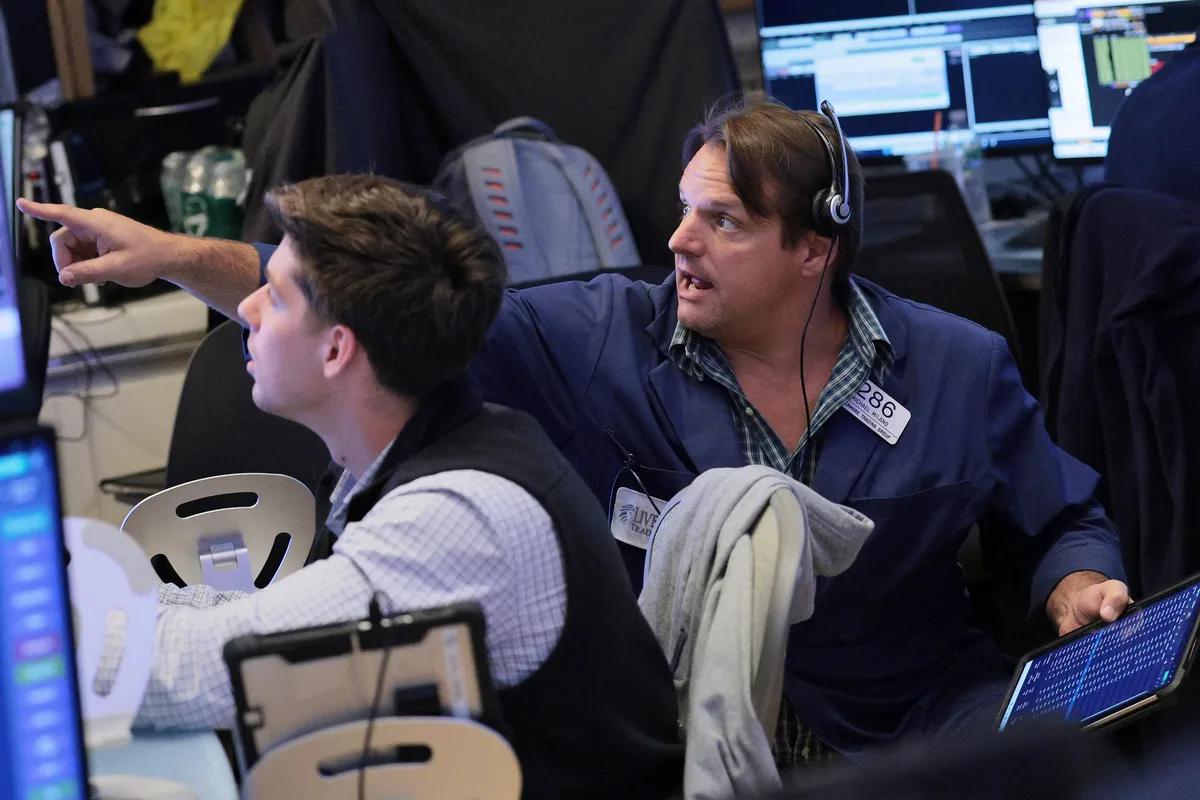
For casual observers, a roaring stock market feels like proof of a healthy economy — but economists warn that the two can diverge sharply, sometimes for years at a time. The current moment is a textbook case: equity markets have surged on a wave of artificial intelligence enthusiasm, while the underlying trajectory of the U.S. economy has remained comparatively subdued. Understanding why these two signals split is essential to reading either one correctly.
The stock market, at its core, is a forward-looking mechanism — it prices expectations about corporate earnings, interest rates, and technological transformation, not the lived economic reality of today's workers and consumers. When investors collectively bet that AI will dramatically expand profit margins and productivity across industries, valuations can climb steeply even if GDP growth stays modest, unemployment ticks up, or consumer confidence wavers. The market is, in this sense, voting on a future that hasn't arrived yet.
Read more Adobe Stock Jumps 5.6% But Trades Far Below Estimated Fair Value →
The U.S. economy, by contrast, is measured in the present tense: jobs added last month, retail spending this quarter, household debt levels right now. Economists tracking these indicators have described the current expansion as tepid — resilient enough to avoid recession, but hardly the kind of broad-based boom that filters quickly into rising wages and improved living standards for most Americans. That gap between Wall Street exuberance and Main Street caution is not a paradox; it reflects who owns stocks and who benefits most directly from equity gains.
Wealth concentration makes this divergence even more pronounced. A relatively small share of American households holds the vast majority of equities, meaning a market rally driven by AI euphoria enriches a narrow slice of the population without necessarily translating into wider spending power or economic momentum. Policymakers and analysts who conflate strong markets with strong economies risk misreading both the risks and the opportunities embedded in the current moment.
The lesson, economists suggest, is to treat the stock market as one data point among many — useful, but incomplete as a gauge of national economic health. Continue reading at US Top News and Analysis.