Why Staying Home No Longer Saves Money Like It Once Did
Price hikes on streaming and gaming have eroded the cost advantage of at-home entertainment, a trend dubbed 'funflation.'
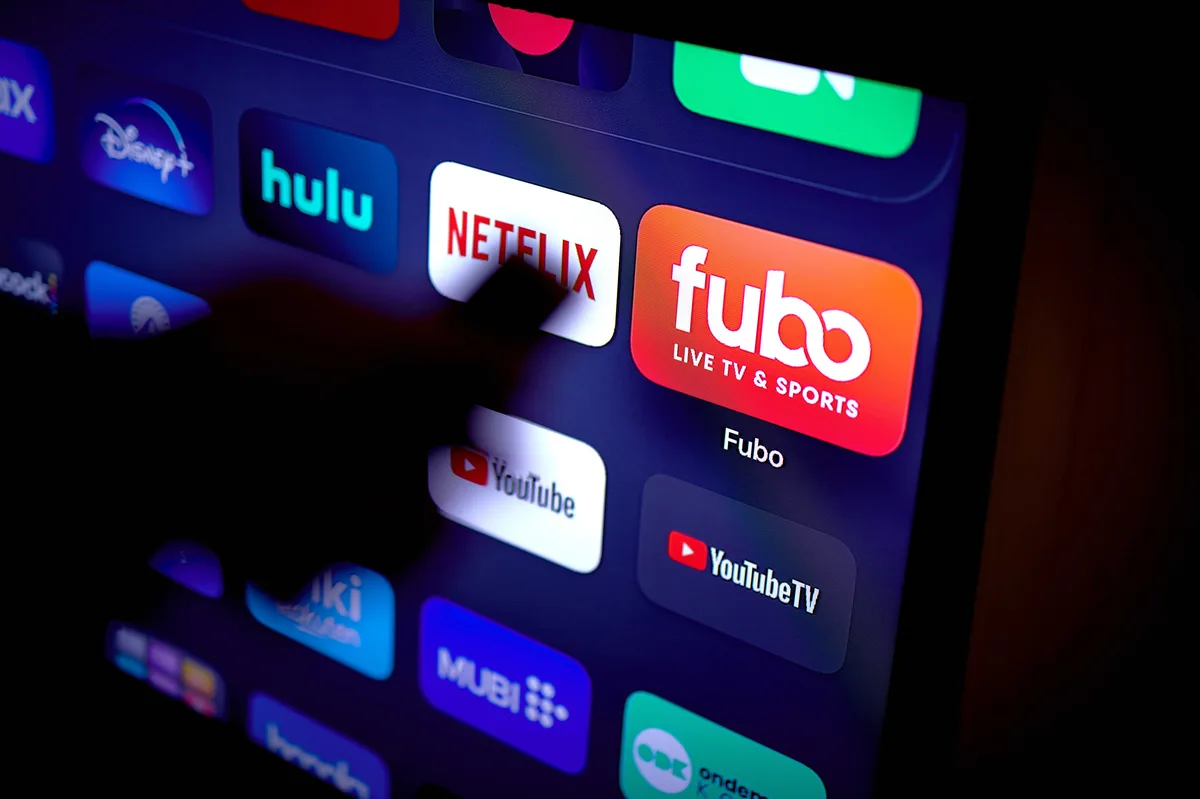
For years, the calculus was straightforward: skip the movie theater, cancel the dinner reservation, and settle in for a cheap night at home. That logic is increasingly obsolete. A wave of price increases across at-home entertainment — from streaming subscriptions to video game titles — has quietly but substantially raised the cost of leisure inside the household, a phenomenon analysts have begun calling 'funflation.'
Streaming platforms, once priced as loss-leader services designed to pull subscribers away from cable, have undergone dramatic repricing as the industry matures and prioritizes profitability over growth. Meanwhile, video game publishers have pushed new titles toward the $70 price point, and the proliferation of downloadable content, season passes, and in-game purchases means the sticker price is rarely the final cost. What once felt like a budget-friendly alternative to going out now demands a meaningful share of monthly discretionary spending.
Read more Fed Expected to Hold Rates Steady: What It Means for You →
The broader significance is what this means for consumer psychology and household budgeting. The 'staying in' option functioned as a financial pressure valve during inflationary stretches — a way for families to preserve some quality of life while cutting back elsewhere. As that valve tightens, households face a more compressed set of choices, with fewer low-cost retreats available at any price tier of leisure spending.
This pattern also reflects a structural shift in how entertainment companies monetize their audiences. The early streaming era competed on price; the current era competes on content lock-in, betting that subscribers will absorb higher fees rather than abandon platforms where their viewing history, playlists, and preferences already live. Gaming ecosystems operate on a similar principle, cultivating communities and libraries that raise the switching cost for players.
The net effect is a consumer landscape where the distinction between 'going out' and 'staying in' carries far less financial weight than it did even five years ago. Budgeters who built their spending plans around cheap home entertainment may need to revisit those assumptions. Continue reading at US Top News and Analysis.