Why Oil Could Fall Below $50 as OPEC's Grip Weakens
Iraq's signals about a potential OPEC exit add fresh instability to an already fragile global oil market heading into 2026.
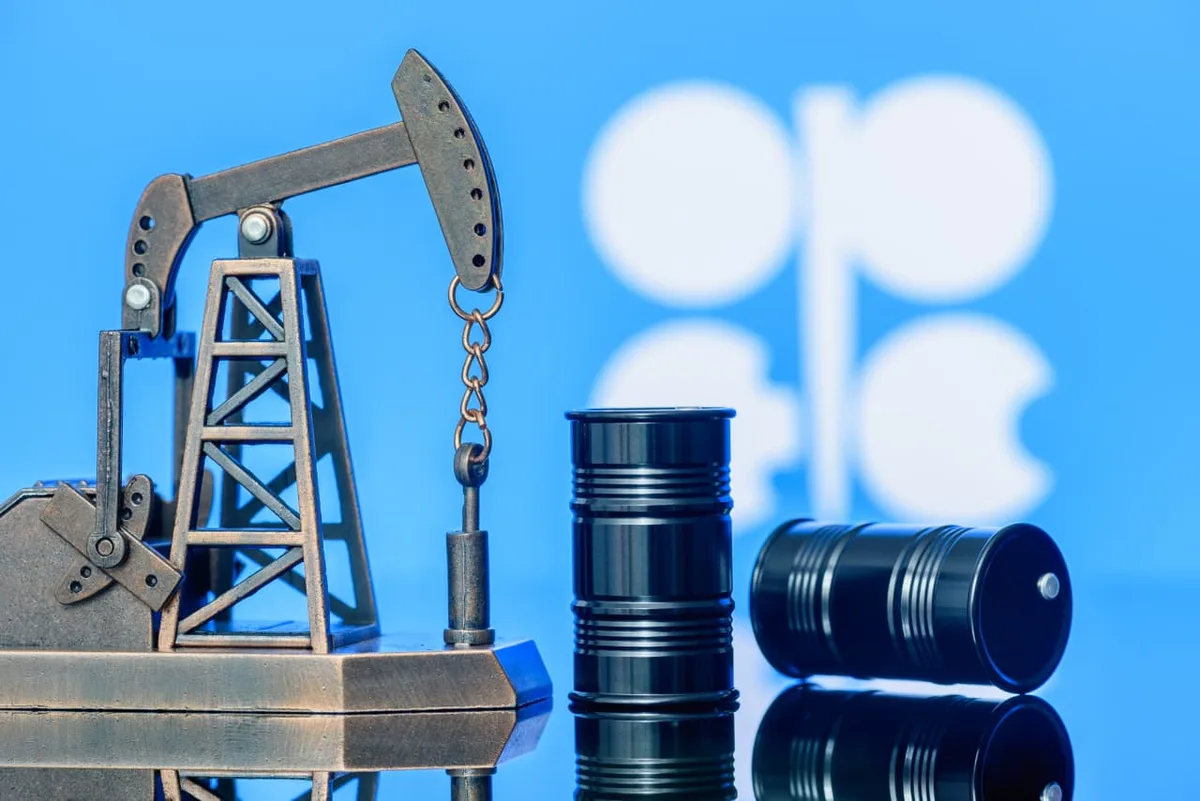
The global oil market is entering a period of structural uncertainty that could push crude prices to levels not sustained since the pandemic-era collapse. Iraq's recent signals that it may consider leaving OPEC represent more than diplomatic noise — they point to a deeper erosion of the cartel's ability to enforce production discipline among its members, a dynamic that carries real consequences for energy prices worldwide.
OPEC's core power has always rested on collective restraint: member nations agreeing to cap their own output in order to support prices that benefit the group as a whole. But that logic breaks down when individual members — particularly large producers like Iraq, which depends heavily on oil revenue to fund government spending — calculate that pumping more and capturing market share outweighs the benefits of holding back. If Iraq were to formally exit or simply defy quota agreements, it would accelerate a race-to-the-bottom dynamic among producers.
Read more Markets Split as Micron Surges and Inflation Data Pressures Stocks →
The prospect of oil falling below $50 a barrel is not merely a trader's worst-case scenario. At that price level, many OPEC member economies face severe fiscal stress, and U.S. shale producers — who require higher break-even prices than Middle Eastern state producers — could be forced to curtail drilling activity significantly. The ripple effects would touch everything from inflation readings to geopolitical stability in oil-dependent nations across the Gulf and Africa.
What makes 2026 particularly volatile is the convergence of multiple destabilizing forces: wavering OPEC unity, softening global demand growth as energy transition policies take hold in major economies, and ongoing macroeconomic uncertainty. Iraq's posturing may be a negotiating tactic as much as a genuine threat, but even the ambiguity itself is enough to unsettle markets that have grown accustomed to treating OPEC's production framework as a reliable price floor.
Continue reading at MarketWatch.com