Why Meta's Stock Is Struggling With Wall Street Right Now
Meta's surging AI spending has investors demanding proof of revenue diversification beyond its core advertising business.
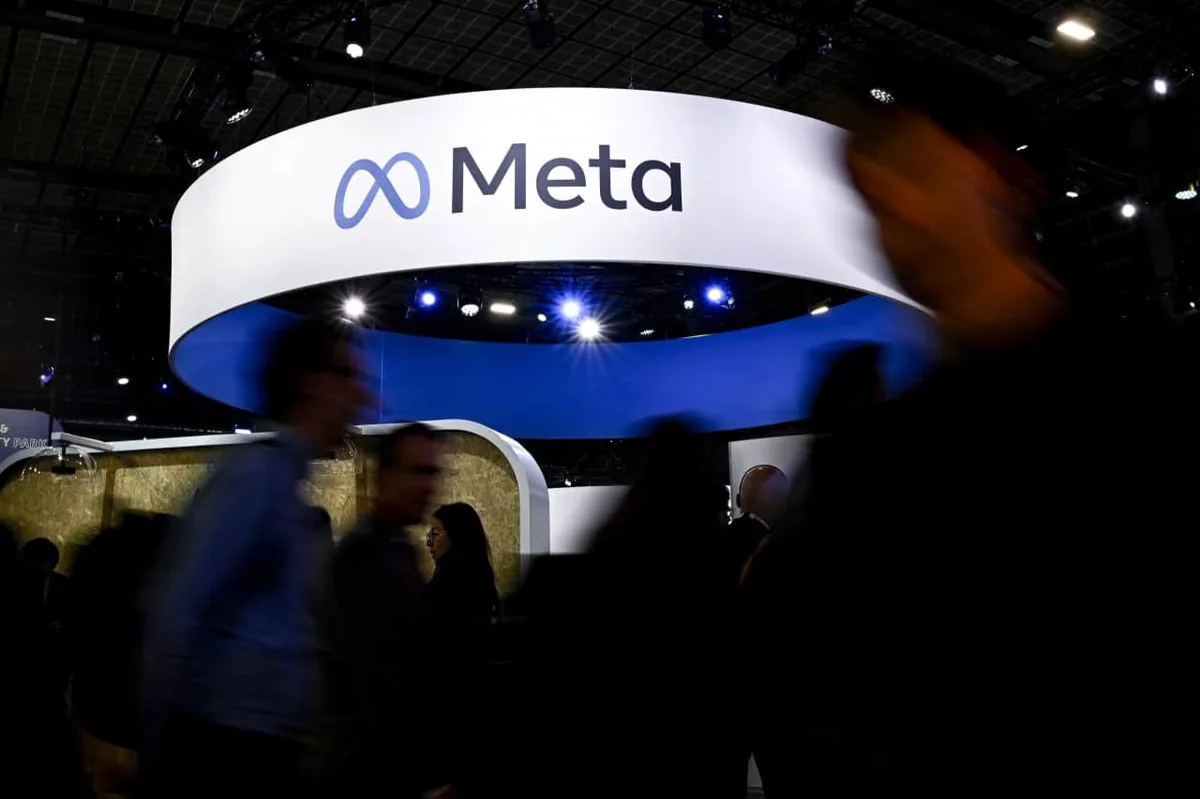
Meta Platforms finds itself in an uncomfortable position with investors: the social media giant is accelerating its artificial intelligence spending at a rapid clip, yet the financial community is growing impatient for evidence that those outlays will translate into meaningful revenue streams outside the company's heavily advertising-dependent model. The result has been notable pressure on the company's stock price, a signal that Wall Street's patience has limits even for a company of Meta's scale and profitability.
The tension here is structural. Meta's core business — selling targeted ads across Facebook, Instagram, and WhatsApp — remains enormously lucrative, but it also makes the company vulnerable to cyclical downturns in digital advertising, regulatory scrutiny, and shifts in consumer attention. Investors who once cheered Meta's cost-cutting "year of efficiency" now want the company to demonstrate that its AI ambitions represent a credible second act, not just a capital-intensive bet with uncertain payoff timelines.
Read more JPMorgan Warns Fading Crypto Bill Odds Cloud Market Outlook →
What makes this moment particularly revealing is that Meta is not alone in facing this skepticism. Across Big Tech, the market is increasingly bifurcating between companies that can articulate a clear AI monetization path and those still in the heavy-investment phase. Meta's challenge is that its AI infrastructure buildout is unmistakably visible on its balance sheet, while the corresponding revenue upside remains largely theoretical or nascent at this stage.
For long-term investors, the key question is whether Meta's AI investments will deepen advertiser value — through better targeting, generative ad tools, or new product surfaces — or whether they represent a costly expansion into areas where the company lacks a competitive moat. The market's current skepticism suggests analysts are not yet convinced the returns will justify the spend, at least not on the timeline Meta appears to be pursuing.
Continue reading at MarketWatch.com