Why Gold and Silver Selloffs Are Pulling Bitcoin Lower
A broad precious metals decline is spilling into crypto markets, weighing on bitcoin as cross-asset correlations tighten.
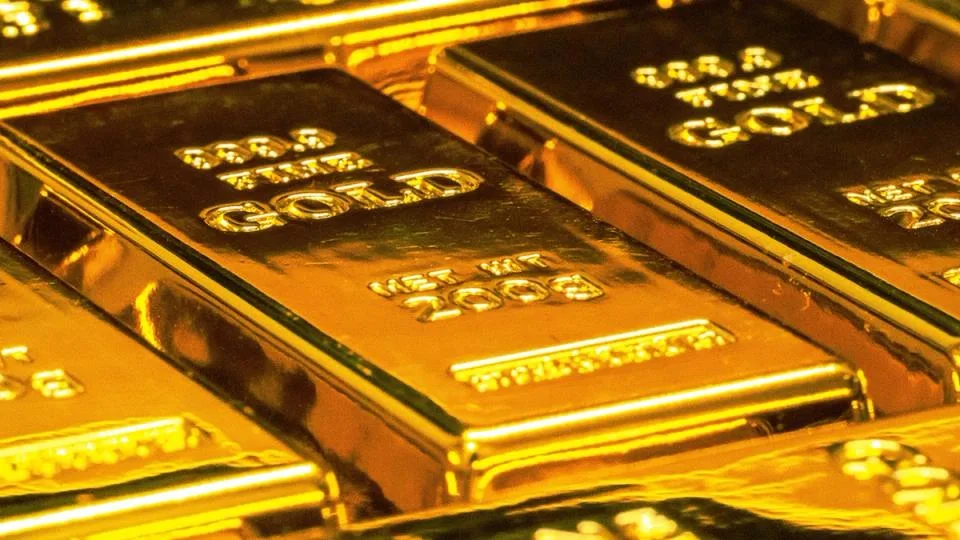
Bitcoin is finding itself caught in a broader macro downdraft, pulled lower alongside gold and silver as investors reassess risk across multiple asset classes. The dynamic underscores a pattern that has grown more pronounced in recent years: when traditional safe-haven assets come under pressure, digital assets rarely escape unscathed.
The selloff in precious metals appears to be prompting portfolio rebalancing among institutional investors who hold bitcoin alongside gold as an inflation hedge or store-of-value play. When one leg of that trade weakens, managers often trim correlated positions to manage overall exposure, creating mechanical selling pressure that has little to do with bitcoin's own fundamentals.
Read more Bitcoin Slides, Bitmine Joins Russell 1000 in Turbulent Crypto Week →
This cross-asset contagion highlights the tension at the heart of bitcoin's evolving market identity. Proponents have long argued that bitcoin is a unique, uncorrelated asset — digital gold immune to the forces that buffet traditional markets. Yet in practice, particularly during episodes of broad liquidity tightening or sentiment shifts, correlations between bitcoin and macro assets like gold and equities tend to rise sharply, undermining that narrative.
The episode is a reminder that bitcoin's price discovery does not happen in a vacuum. As institutional participation has deepened, so too has bitcoin's sensitivity to the same macro signals — interest rate expectations, dollar strength, and commodity momentum — that drive conventional portfolio decisions. Retail participants who view bitcoin as insulated from Wall Street dynamics may be repeatedly surprised to find otherwise during volatile stretches.
For traders and long-term holders alike, the key question is whether this correlation is a temporary feature of a maturing market or a permanent structural reality. The answer will likely depend on how bitcoin's investor base evolves and whether it can attract pools of capital that are genuinely indifferent to movements in gold and silver. Continue reading at CoinDesk.