Why Fed Rate Hikes Under Kevin Warsh May Not End the Bull Market
History suggests rate-hike cycles don't automatically derail bull markets, and Trump's likely Fed pick Kevin Warsh may follow that pattern.
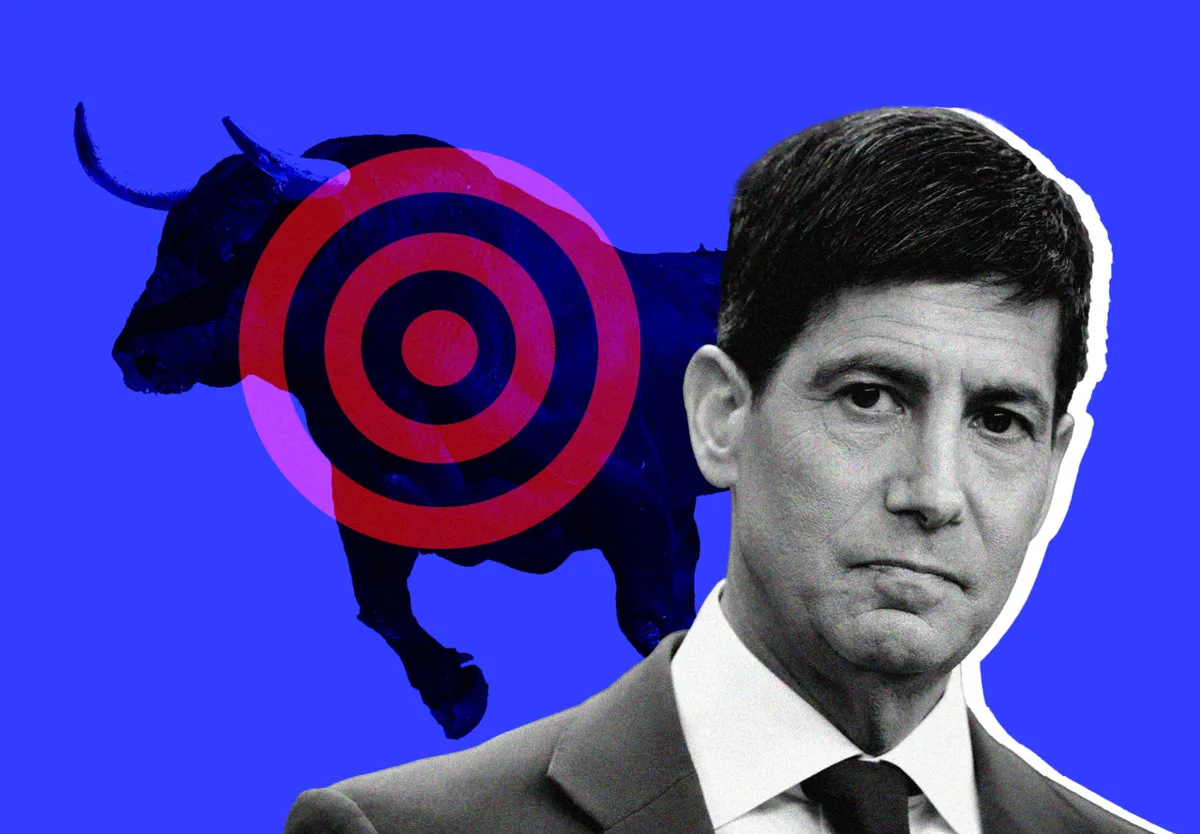
The conventional wisdom on Wall Street holds that Federal Reserve tightening is the natural enemy of rising stock prices. But history tells a more complicated story — and if Kevin Warsh, widely regarded as President Trump's preferred choice to lead the Fed, does move to raise interest rates, investors may find less to fear than they expect.
Warsh, a former Fed governor and Morgan Stanley investment banker, has long been associated with a hawkish disposition on monetary policy. The implicit threat of rate hikes can itself serve as a policy tool, potentially achieving some of the inflation-dampening effects of actual tightening without the Fed ever needing to pull the trigger. Whether that signaling strategy would hold up under market scrutiny is another question entirely.
Read more Brent Crude Wavers as Diplomacy and Trump Threats Shape Iran Outlook →
What the historical record does suggest is that rate-hike cycles and bull markets are not mutually exclusive. Past periods of Fed tightening have frequently coincided with continued equity gains, at least in the early and middle stages of a hiking cycle. Stocks tend to struggle most not when rates are rising, but when rising rates finally translate into a meaningful economic slowdown or a credit event that forces a broader reassessment of risk.
The analytical implication here is that the framing of Warsh as an automatic threat to equities may be too simplistic. A central banker who telegraphs toughness without immediate aggressive action could, paradoxically, extend the current rally by keeping inflation expectations anchored and preserving confidence in monetary credibility. Markets, after all, often rise on the anticipation of stability as much as on the reality of cheap money.
The more relevant question for investors is not whether Warsh will hike, but how quickly and by how much — and whether the underlying economy can absorb tighter conditions without cracking. Those are the variables that have historically determined whether a rate cycle becomes a bull market headwind or merely background noise. Continue reading at MarketWatch.com