Waymo and Uber Close Phoenix Robotaxi Pilot, Pivot to DoorDash
The Waymo-Uber robotaxi experiment in Phoenix is winding down, but the autonomous vehicles won't sit idle — they're shifting to DoorDash deliveries.
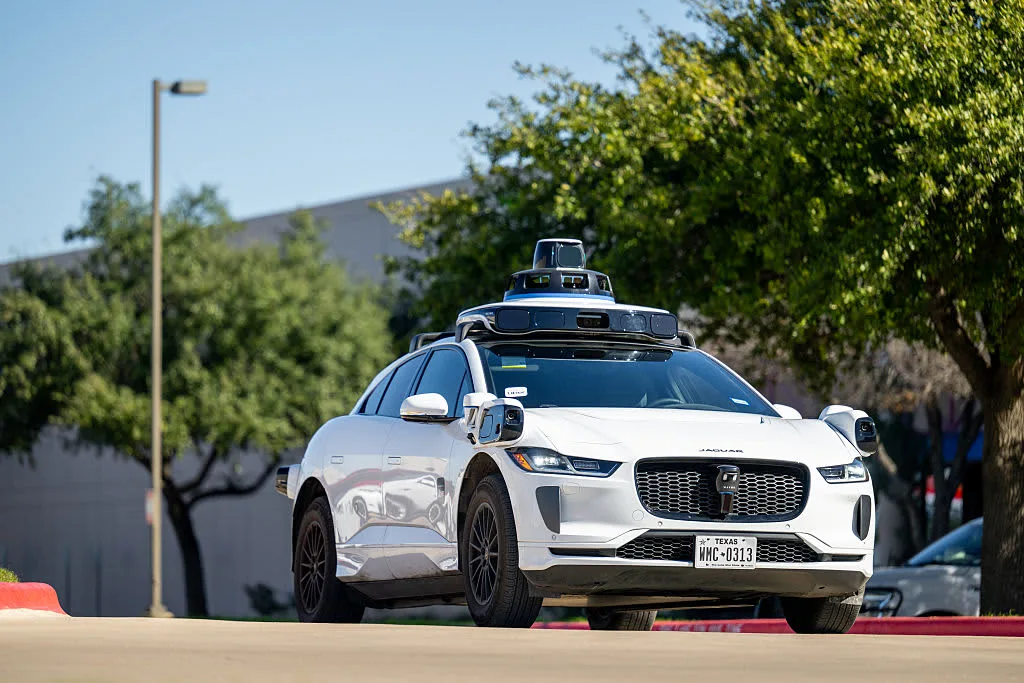
The partnership between Waymo and Uber that brought driverless robotaxis to Phoenix streets has come to an end, marking a notable inflection point in the broader autonomous vehicle industry. Rather than a quiet shutdown, however, the conclusion of this pilot signals a strategic redeployment of existing infrastructure — a telling sign of how autonomous vehicle operators are diversifying their revenue streams beyond passenger transport.
The self-driving cars that operated under the Waymo-Uber arrangement in Phoenix will not be retired. Instead, those vehicles are being folded into an autonomous delivery arrangement with DoorDash, extending their operational utility in the same metropolitan area. The pivot underscores the growing versatility that companies like Waymo are building into their fleets — hardware and software capable of serving ride-hail, freight, and last-mile delivery without fundamental redesign.
Read more AMASS Brands to Buy Majority Stake in HpO Protein Water →
For Uber, the decision to step back from the Phoenix pilot reflects the company's ongoing recalibration of how it engages with autonomous vehicle partners. Uber has historically oscillated between building its own self-driving technology and licensing or partnering with outside developers, and this exit suggests the economics or strategic alignment of the Waymo arrangement no longer suited its roadmap. For Waymo, the transition to DoorDash represents a logical extension of its commercialization strategy, diversifying beyond the Waymo One ride-hailing service it operates in select U.S. cities.
The broader takeaway for the autonomous vehicle sector is that fleet utilization — keeping expensive, sensor-laden vehicles generating revenue across multiple use cases — is emerging as a key competitive advantage. Robotaxi economics remain challenging, and the ability to seamlessly redeploy vehicles from passengers to parcels could prove essential to long-term viability. The Phoenix transition offers an early real-world example of that multi-modal flexibility in practice.
Continue reading at US Top News and Analysis