Warren Buffett's Investing Philosophy: What Makes It Endure
Buffett's value investing approach centers on patience and discipline. Here's why it still resonates decades after he first refined it.
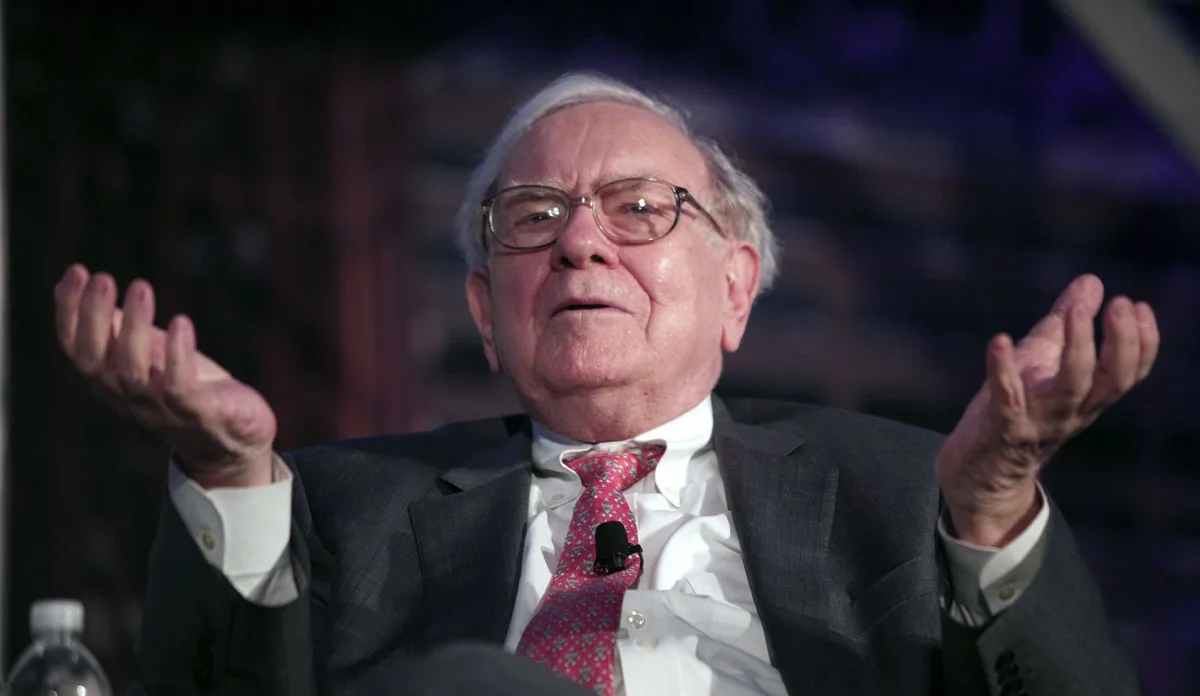
Warren Buffett's name has become synonymous with a deceptively simple idea: buy good businesses at fair prices and hold them for a very long time. That principle, rooted in the teachings of Benjamin Graham and later shaped by Charlie Munger's influence, has guided Berkshire Hathaway to one of the most extraordinary long-term track records in financial history. Yet the strategy is far harder to execute than it sounds, requiring a kind of psychological fortitude that most investors struggle to maintain.
At the core of Buffett's value investing framework is the concept of intrinsic value — the idea that every business has an underlying worth that the market may temporarily misprice. Rather than chasing short-term price momentum or reacting to macroeconomic headlines, Buffett focuses on identifying companies with durable competitive advantages, what he famously calls economic "moats." These are businesses that can defend their market position and generate consistent free cash flow across economic cycles.
Read more Why Strong Bank Earnings Still Sent Bank Stocks Lower →
Discipline, in Buffett's model, means knowing what to ignore as much as knowing what to pursue. He has often described his approach as swinging only at pitches in the strike zone — waiting for genuinely attractive opportunities rather than forcing transactions out of impatience or market pressure. This restraint is philosophically straightforward but behaviorally demanding, particularly in bull markets when inaction can feel like failure.
The long-term orientation embedded in his strategy also carries a compounding logic that is easy to underestimate. When returns are reinvested over decades rather than harvested over quarters, even modest annual gains can accumulate into substantial wealth. Buffett's own biography is the clearest illustration: the overwhelming majority of his net worth was built after his 50th birthday, a testament to time's role as the investor's most valuable asset.
For everyday investors, the lessons are practical even if the scale is unreachable. Patience reduces transaction costs and tax drag. Discipline guards against panic selling. A focus on business quality over price alone improves the odds of holding positions through volatility rather than abandoning them at the worst moment. Continue reading at investopedia (dara-abasi ita).