Vulcan Materials Bets on Aggregates to Sustain Margin Growth
VMC is shedding lower-margin concrete assets to double down on aggregates, improving profitability even as hedge funds grow cautious.

Vulcan Materials is executing a deliberate portfolio transformation, exiting lower-margin concrete operations in favor of higher-value aggregates businesses. The strategy is not merely cosmetic — divesting concrete assets while acquiring aggregate properties directly restructures the company's revenue mix toward products that carry fatter margins and more durable pricing power. Early results suggest the pivot is working, with gross margin improvements already visible in the company's financials.
The aggregates segment benefits from structural tailwinds that make Vulcan's repositioning particularly well-timed. Infrastructure spending remains a potent demand driver, as federal and state investment in roads, bridges, and public works continues to funnel capital toward exactly the kind of crushed stone, sand, and gravel that Vulcan produces. In a sector where competitors like Martin Marietta Materials and Eagle Materials remain formidable, margin differentiation increasingly determines which company commands a valuation premium.
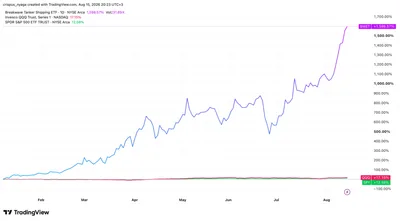
Read more BWET ETF Surges 1,600% in 2026 Amid US-Iran Conflict →
Analysts broadly view the strategy favorably, arguing that a more aggregates-concentrated Vulcan could sustain — or even expand — profitability as the infrastructure cycle matures. The logic is straightforward: aggregates are regionally protected, difficult to import, and subject to relatively stable long-term demand. That combination makes pricing power more defensible than in commodity-exposed downstream products like ready-mix concrete.
Yet the market's reception carries a notable undercurrent of skepticism. Hedge fund interest in VMC has declined, and a measurable degree of short interest signals that some institutional investors are not fully convinced the margin improvements will compound at the pace the bull case assumes. Execution risk — particularly around integrating acquired aggregate assets and managing divestiture timing — remains a credible concern even if the strategic direction is sound.
For investors weighing Vulcan against peers, the central question is whether the aggregates-heavy model can consistently translate infrastructure tailwinds into bottom-line gains. Continue reading at Yahoo Finance.