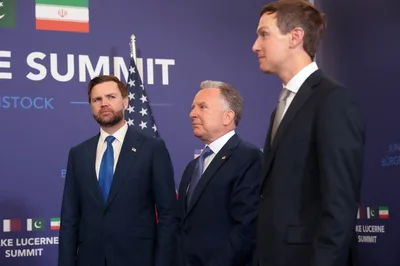
Vance Meets Iranian Officials to Revive Nuclear Talks
VP Vance engaged senior Iranian leaders in diplomacy aimed at restarting stalled nuclear negotiations between Washington and Tehran.
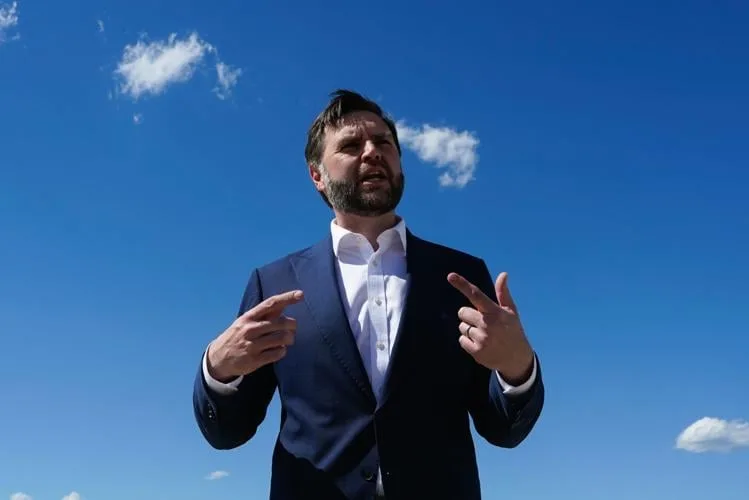
Vice President JD Vance has met with top Iranian officials in a diplomatic effort to restore momentum to nuclear negotiations between the United States and Iran, according to reporting from the Joplin Globe. The outreach signals that the Trump administration is actively pursuing a diplomatic channel with Tehran even as tensions between the two countries remain elevated.
The timing of the meeting carries significant weight. Direct or high-level indirect contact between American and Iranian officials has been rare and politically sensitive, making any such engagement a notable development in a bilateral relationship defined by decades of mistrust, sanctions pressure, and periodic escalation. That a figure as senior as the Vice President was involved suggests the White House is treating this diplomatic track as a priority rather than a back-channel afterthought.
Read more US and Iran Agree on Roadmap Toward Final Nuclear Deal →
The broader context is one of urgency. Iran's nuclear program has continued to advance, with international monitors previously documenting uranium enrichment levels that bring Tehran closer to weapons-grade material. For the US, reviving a structured negotiation framework would aim to cap or roll back that progress in exchange for sanctions relief — the essential trade-off that defined the original 2015 Joint Comprehensive Plan of Action before the US withdrew in 2018.
What remains unclear from available reporting is the specific agenda of the Vance meeting, what Iranian officials were present, and whether any preliminary agreements or understandings were reached. The diplomatic choreography of US-Iran talks has historically been intricate, often involving intermediaries from Gulf states or Europe, so a direct high-level meeting — if confirmed — would represent a meaningful shift in approach.
The outcome of this engagement could shape the trajectory of Middle East security policy for years to come, making it one of the more consequential diplomatic moments of the current administration. Continue reading at joplinglobe.