US-Iran Tensions Reset Again, Oil Climbs as Hormuz Stays Choked
Fresh strikes and contradictory signals from Trump keep the US-Iran conflict unresolved, with Strait of Hormuz traffic and oil prices both in flux.
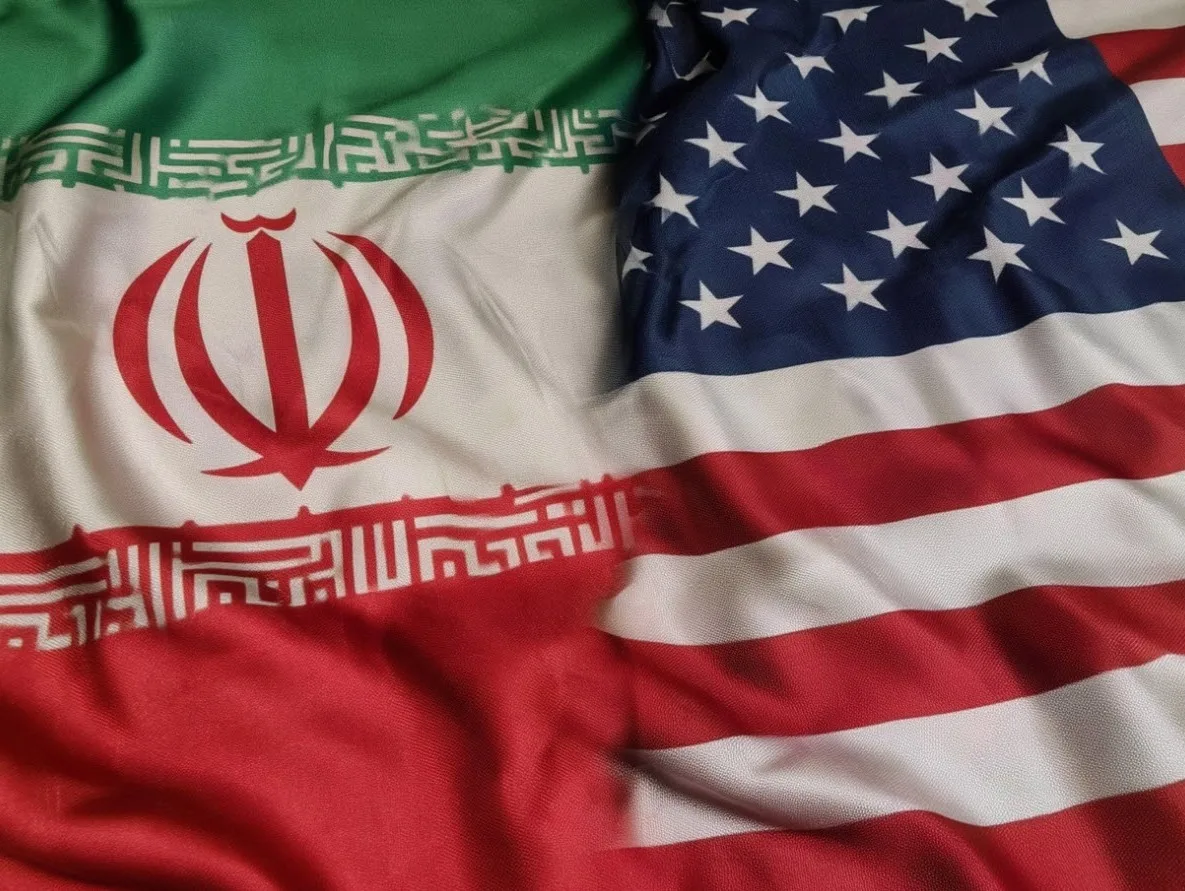
The US-Iran standoff has entered another familiar loop. President Trump declared the ceasefire "over," then reversed course by suggesting another full-scale war was unlikely — while simultaneously warning that any renewed hostilities would end quickly. Hours after those remarks, US forces conducted additional strikes against Iran, which retaliated with its own attacks on American bases in the Gulf region. The mixed signals are by now a recognizable pattern rather than a coherent strategy.
The underlying diplomatic rhythm here follows a predictable arc: tensions escalate to an uncomfortable threshold, and then one side — typically framed by Trump as the desperate party — blinks toward negotiation. That dynamic played out before when both nations signed a memorandum of understanding, a deal that ultimately proved fragile. Now, with Trump again claiming Iran "wants to make a deal," markets and analysts are watching to see whether another provisional agreement emerges or whether the cycle intensifies further.
Read more Adobe Stock Jumps 5.6% But Trades Far Below Estimated Fair Value →
The Strait of Hormuz, a chokepoint through which a significant share of global oil supply passes, remains functionally impaired. While vessel traffic has ticked up modestly in recent weeks, maritime insurance premiums show no signs of easing — a reliable indicator that the shipping industry views the risk environment as persistently elevated. Commercial operators cannot afford complacency in those waters regardless of any partial Iranian accommodation, which has not materialized in any meaningful way.
For energy markets, the developments represent a potential inflection point. WTI crude climbed roughly 1% to around $74.30, extending a recovery after four consecutive weeks of price declines. Analysts note that if negotiations remain stalled and Hormuz restrictions persist into summer, the conditions are in place for a more sustained oil price rebound — one with real implications for inflation expectations and global supply chains that had only recently begun to stabilize.
Continue reading at Forexlive.