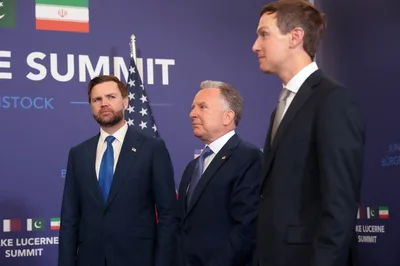
US-Iran Nuclear Talks in Switzerland Hit a Wall Amid Lebanon Conflict
Diplomatic negotiations between Washington and Tehran have stalled in Switzerland as violence intensifies in Lebanon, complicating an already fragile process.
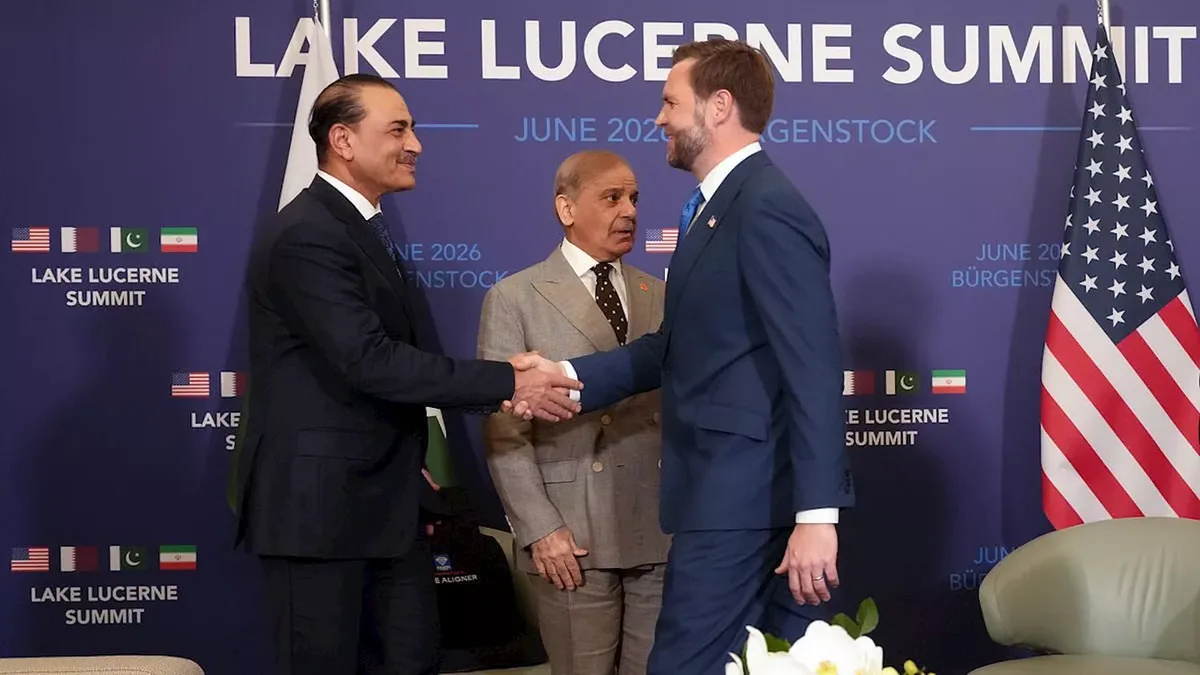
Diplomatic efforts between the United States and Iran have reached an impasse in Switzerland, with talks grinding to a halt even as armed conflict escalates in Lebanon. The timing is significant: negotiations over Iran's nuclear program have long been sensitive to regional flare-ups, and the current violence appears to be adding another layer of complexity to an already difficult diplomatic landscape.
The intersection of nuclear diplomacy and active regional conflict is rarely coincidental. When fighting intensifies in Lebanon — where Iranian-backed Hezbollah holds considerable military and political influence — it tends to harden positions on both sides of the negotiating table. Washington often faces domestic and allied pressure to take a firmer line, while Tehran may see battlefield developments as leverage or, alternatively, as a reason to accelerate certain strategic calculations.
Read more US and Iran Agree on Roadmap Toward Final Nuclear Deal →
Switzerto has historically served as a neutral venue for sensitive US-Iran contacts, precisely because the two countries lack formal diplomatic relations. The choice of location signals intent, but intent alone cannot bridge the substantive gaps that have derailed previous rounds of diplomacy — gaps over uranium enrichment levels, sanctions relief sequencing, and verification mechanisms that international inspectors would require.
What makes the current stall particularly notable is the broader geopolitical context. The Middle East is experiencing simultaneous pressure points, and American diplomatic bandwidth is being stretched across multiple theaters. For Iran, navigating domestic political constraints while engaging a skeptical adversary requires a delicate balancing act that active regional conflict makes exponentially harder.
The outcome of these negotiations carries consequences well beyond the two parties directly involved, affecting Gulf security architecture, European energy markets, and the broader nonproliferation regime. Continue reading at headtopics (dailymail).