U.S.-Canada Trade Talks Fail; Retaliatory Tariffs Set for Sept. 8
Negotiations broke down Friday as new 50% U.S. tariffs hit select Canadian exports. Canada's Carney announced retaliatory measures starting September 8.
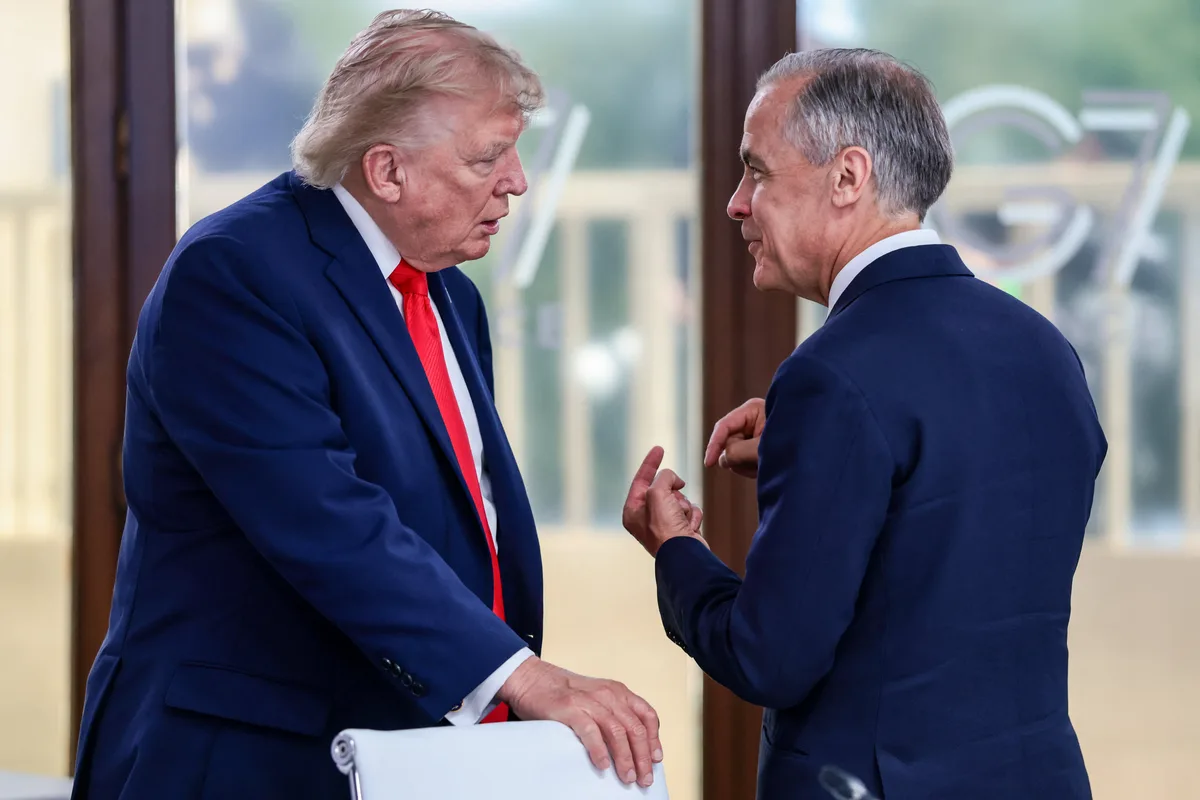
The fragile state of U.S.-Canada trade relations deteriorated sharply after negotiations between the two countries collapsed on Friday without a deal, triggering the activation of new 50% Trump administration tariffs on certain Canadian exports. The breakdown marks a significant escalation in what has been a prolonged and increasingly acrimonious trade dispute between two of the world's closest economic partners.
Canadian Prime Minister Mark Carney responded swiftly, announcing that Canada's own retaliatory tariffs would take effect on September 8. The move signals Ottawa's willingness to match Washington's aggression rather than absorb the economic pain unilaterally — a posture that carries real risk for both economies given the deep integration of cross-border supply chains in sectors ranging from automotive manufacturing to agriculture.
Read more Trump Enters Midterm Season With Thin Foreign Policy Record →
The imposition of 50% tariffs on any category of goods between neighbors who share the world's largest bilateral trading relationship is a striking departure from decades of managed economic cooperation. Analysts have long warned that tariff escalation at this scale could ripple through industries on both sides of the border, raising input costs, disrupting logistics networks, and ultimately landing on consumers in the form of higher prices.
What makes this moment particularly consequential is the absence of an off-ramp. When talks collapse without even a framework for resumption, the political and economic calculus shifts — both governments now face domestic pressure to hold firm rather than appear to capitulate, making a near-term resolution harder to engineer even if both sides privately want one. The September 8 deadline gives negotiators a narrow window, but the conditions for a deal appear no more favorable now than they were when talks began.
Continue reading at US Top News and Analysis.