U.S. and Iran Agree to Pause as Hormuz Shipping Resumes
A weekend of military exchanges between the U.S. and Iran gave way to a fragile ceasefire, restoring vessel traffic through the world's most critical oil chokepoint.
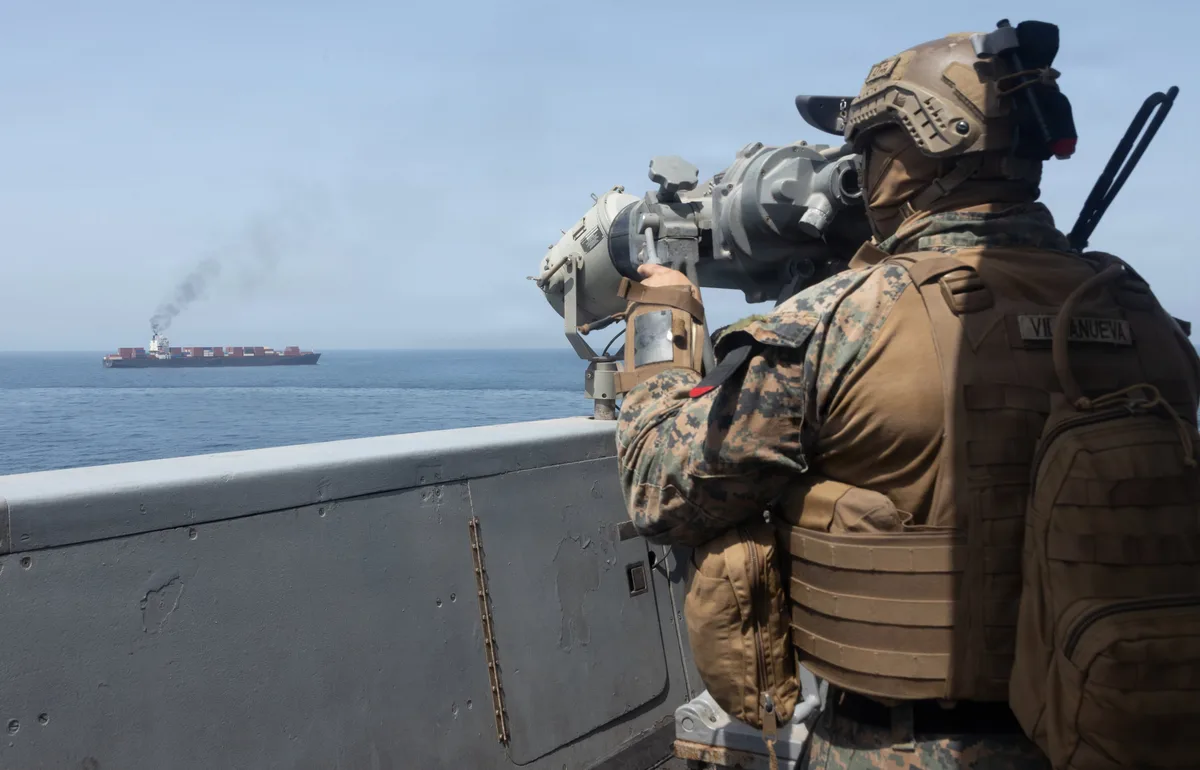
A fragile but consequential calm settled over the Strait of Hormuz after the United States and Iran agreed to pause their military exchanges and restore freedom of navigation for commercial vessels through the waterway. The agreement, reached following a weekend of active hostilities, offered immediate relief to global energy markets that had been bracing for a potentially sustained disruption to one of the world's most strategically vital shipping corridors.
The Strait of Hormuz is the narrow passage between the Persian Gulf and the Gulf of Oman through which a significant share of the world's seaborne oil transits daily. Any prolonged closure or disruption there carries outsized consequences for global crude prices and energy security, making even a temporary flare-up between two adversarial powers deeply unsettling to markets and policymakers alike. The resumption of commercial vessel movement signals that both sides recognized the economic and geopolitical cost of an extended confrontation at this chokepoint.
Read more Jobs Data, Nike Earnings, and a Major Breakup to Watch This Week →
The pause in hostilities does not, by itself, resolve the underlying tensions that produced the weekend clashes. What it does suggest is that both Washington and Tehran retain some appetite for de-escalation when the immediate stakes — disrupted oil flows, potential broader conflict — become sufficiently high. Analysts will be watching closely whether this represents a durable cooling-off period or merely an interlude before further friction emerges along one of the world's most combustible fault lines.
For shipping companies, insurers, and energy traders, the reopening of the strait offers operational breathing room, though risk premiums in the region are unlikely to dissipate quickly given the volatility of the past several days. The episode is a pointed reminder of how exposed global energy supply chains remain to geopolitical flashpoints that can escalate with very little warning.
Continue reading at US Top News and Analysis.