TSMC Upgraded to Buy as AI Demand and EUV Edge Converge
Analysts see a compelling entry point in TSMC, citing AI-driven demand, capital discipline, and an unmatched EUV manufacturing lead.
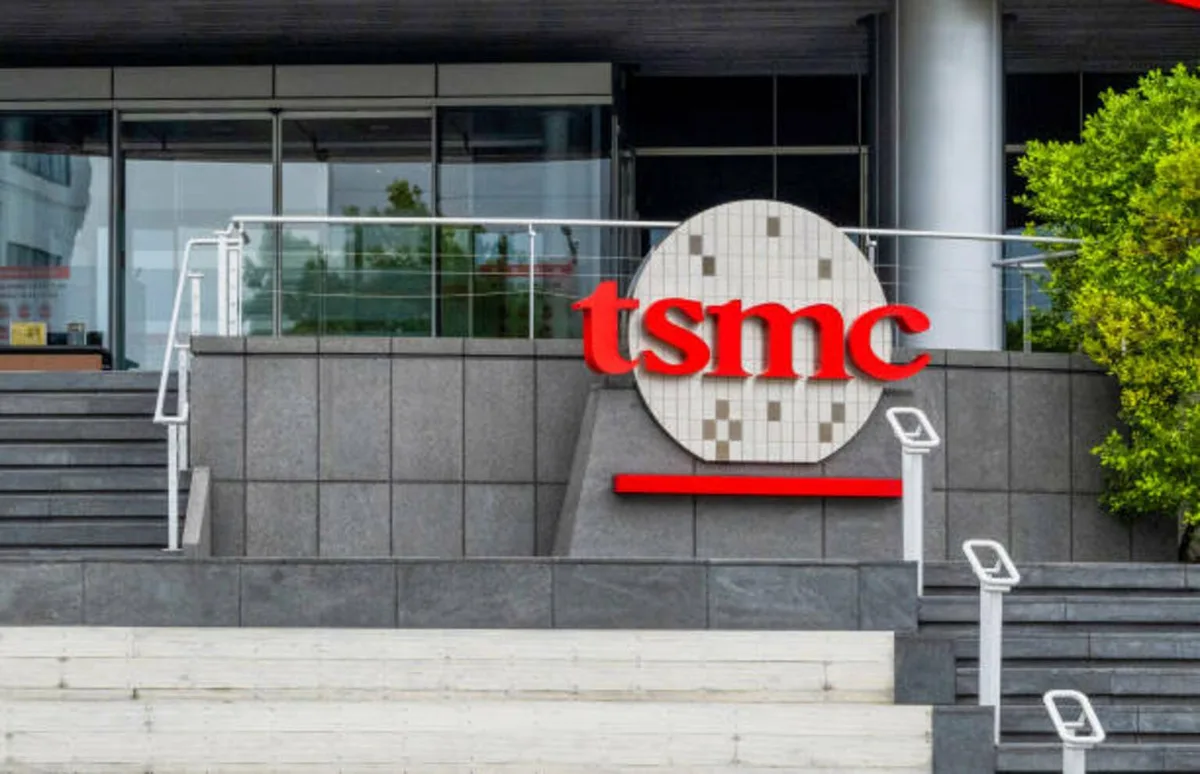
Taiwan Semiconductor Manufacturing Company is drawing renewed bullish attention from analysts who argue that a combination of surging artificial intelligence chip demand, restrained capital expenditure strategy, and a commanding lead in extreme ultraviolet lithography technology has finally created a clear buying opportunity in the stock.
The AI tailwind underpinning this upgrade is structural rather than cyclical. As hyperscalers and AI chip designers — from Nvidia to a growing roster of custom silicon vendors — race to expand inference and training capacity, TSMC remains the singular foundry capable of manufacturing the most advanced nodes at scale. That chokepoint position gives the company unusual pricing power and demand visibility that most semiconductor peers cannot claim.
Read more Brent Crude Wavers as Diplomacy and Trump Threats Shape Iran Outlook →
Equally important to the bull case is capital discipline. In prior upcycles, aggressive CapEx expansion by chipmakers often eroded returns; analysts appear to be crediting TSMC's management with a more measured approach this time around, one designed to protect margins even as capacity grows. That restraint, combined with the inherent barriers to entry that EUV technology imposes on rivals, suggests the competitive moat is widening rather than narrowing.
The EUV dimension deserves particular emphasis. Mastery of EUV lithography — the process that etches the finest circuit patterns onto silicon — requires years of engineering refinement and billions in equipment investment. TSMC's accumulated expertise here is not something competitors can replicate quickly, making the company's technology leadership a durable advantage rather than a temporary one in the eyes of upgrading analysts.
For investors, the upgrade signal matters most as a valuation argument: after a period of share-price consolidation, analysts now believe the risk-reward balance has tilted favorably enough to justify moving off the sidelines. Continue reading at SeekingAlpha.