Trump's Fed Relationship With Warsh Carries Hidden Economic Risks
Regular presidential contact with the Fed chair threatens the central bank's credibility on inflation and rate independence.
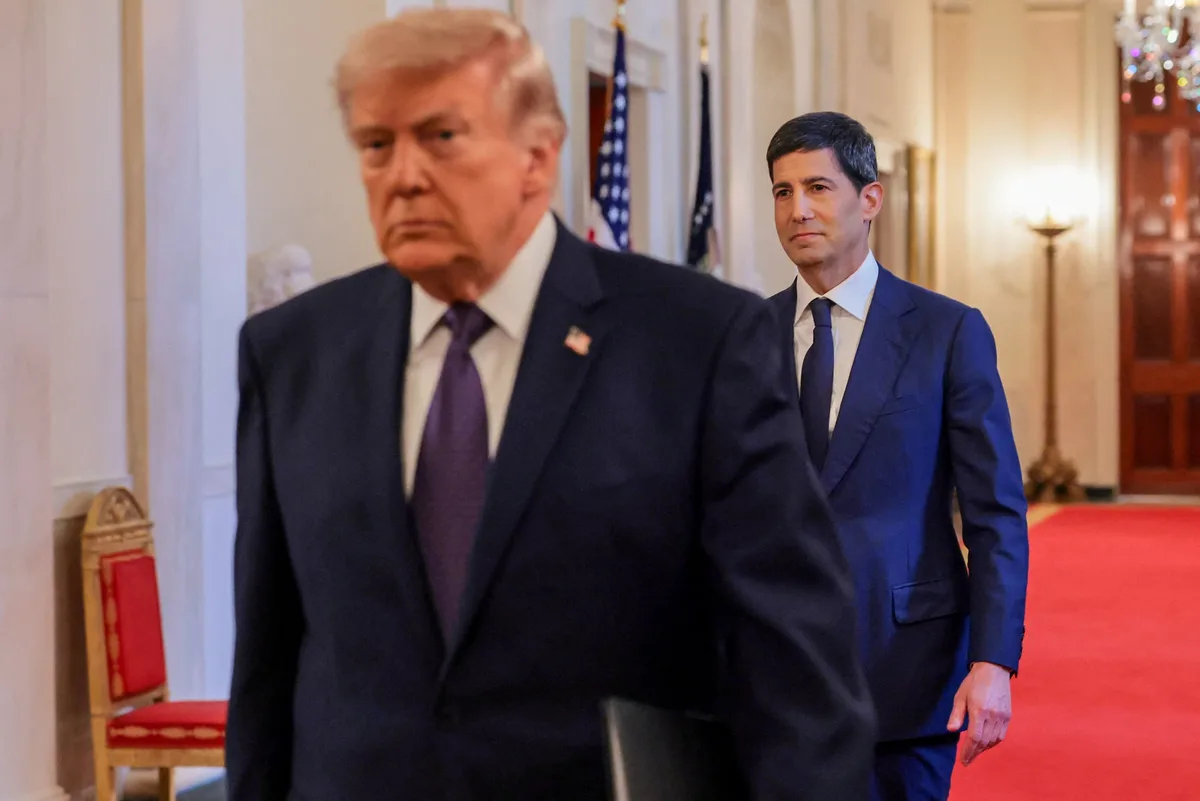
The Federal Reserve's most powerful asset is not its balance sheet or its statutory authority — it is credibility. When markets believe the Fed will act independently to control inflation, long-term interest rates stay anchored and the broader economy benefits. Any perception that a sitting president is cultivating a personal alliance with the Fed chair chips away at that foundation, and that is precisely the risk embedded in reports that Donald Trump has been holding direct phone conversations with Fed Chairman Kevin Warsh.
For decades, the informal norm of separation between the White House and the Fed has functioned as a kind of silent guarantee to bond markets and global investors. Presidents have always had views about monetary policy — and often strong ones — but the institutional discipline was to express those views at arm's length, if at all. Routine contact between Trump and Warsh, even if substantively innocuous, sends a different signal: that the chairman might be operating as a policy ally rather than an independent arbiter of price stability.
Read more New Zealand Retail Spending Rebounds Sharply in July 2025 →
The practical consequences could be significant. If investors begin pricing in even a modest probability that rate decisions are politically influenced, the risk premium on U.S. Treasuries could rise, pushing up borrowing costs across the economy — mortgages, corporate debt, consumer credit. That would be an ironic outcome for a president who has consistently pushed for lower rates. Perceived Fed dependence on the White House tends to produce exactly the higher-rate environment that political pressure was meant to prevent.
Warsh, for his part, faces a particularly delicate credibility challenge. Proving independence is always harder for a Fed leader who arrives with visible White House backing than for one who is perceived as a technocratic consensus choice. Every rate decision he makes will be scrutinized for signs of political accommodation, and any easing cycle that coincides with electoral pressures will invite skepticism regardless of the underlying economic justification.
The episode is a reminder that central bank independence is less a legal guarantee than a behavioral norm sustained by consistent, visible restraint from both sides of the relationship. When that restraint appears to erode, the costs are diffuse but real — and they tend to materialize precisely when the economy can least afford them. Continue reading at US Top News and Analysis.