Transfer Agents Warn SEC That Third-Party Tokens Threaten Market Integrity
Wall Street transfer agents are lobbying the SEC over risks they say third-party tokens pose to core securities market infrastructure.
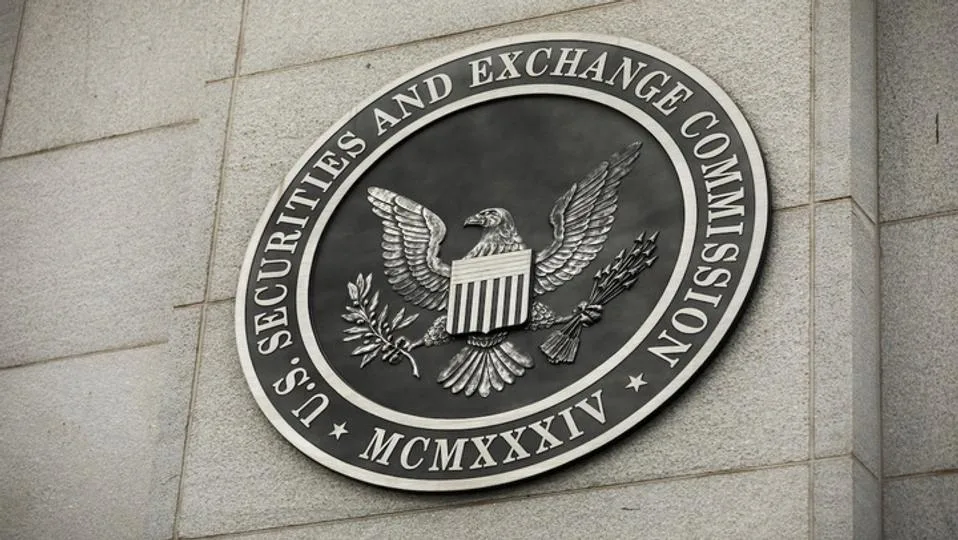
A coalition of Wall Street transfer agents has taken their concerns directly to the Securities and Exchange Commission, arguing that the growing use of third-party tokens in securities markets could introduce systemic risks that undermine the integrity of longstanding market infrastructure. The lobbying effort signals that traditional financial gatekeepers are increasingly anxious about the encroachment of blockchain-based instruments into record-keeping and ownership verification roles they have historically controlled.
Transfer agents occupy a foundational but often overlooked position in the financial system — they maintain official records of securities ownership, process transactions, and ensure that shareholder data remains accurate and tamper-resistant. Their concern is that tokenized representations of securities issued or managed by outside parties could fragment that record-keeping function, creating competing or inconsistent ownership ledgers that regulators and courts would struggle to reconcile.
Read more Adobe Stock Jumps 5.6% But Trades Far Below Estimated Fair Value →
The timing of the appeal is notable. The SEC under its current leadership has signaled a more accommodating posture toward digital assets than its predecessor, raising the prospect that token-based securities infrastructure could gain regulatory legitimacy before the risks are fully mapped. Transfer agents appear to be moving proactively, seeking to shape any forthcoming rulemaking before the window narrows.
At its core, the dispute reflects a broader tension between incumbents who built compliance frameworks around centralized record-keeping and innovators who argue that distributed ledger technology can perform the same functions more efficiently and transparently. Whether the SEC treats the transfer agents' warnings as a meaningful guardrail or as incumbents protecting turf will likely depend on how the agency weighs systemic stability against its stated openness to financial innovation.
Continue reading at CoinDesk.