Tokenization Hype Is Ahead of Wall Street Reality, 21Shares Warns
A 21Shares co-founder says enthusiasm for asset tokenization is moving faster than the infrastructure and regulatory frameworks Wall Street actually needs.
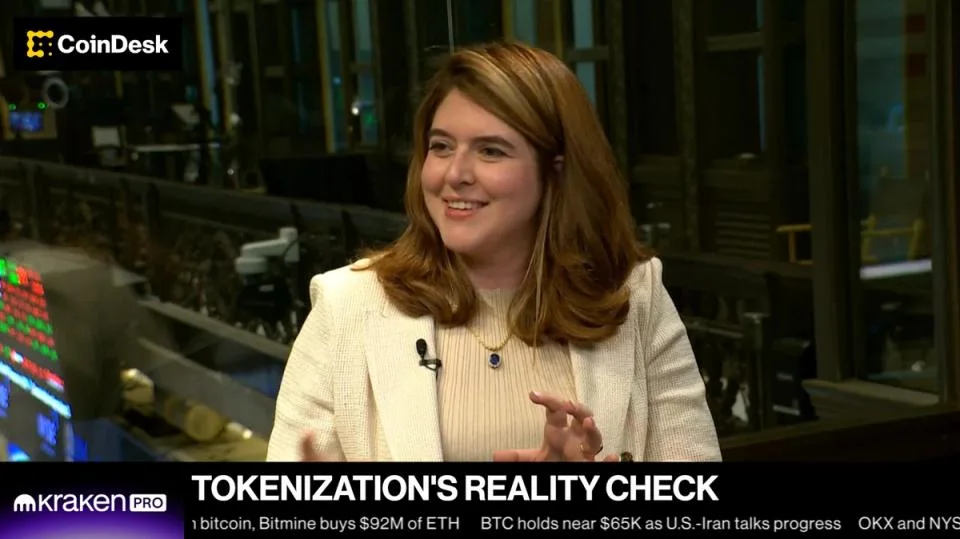
The promise of tokenizing real-world assets — from Treasury bonds to private equity — has become one of the loudest rallying cries in institutional crypto circles. But according to a co-founder of 21Shares, one of the most prominent crypto exchange-traded product issuers in the world, the industry's excitement is running well ahead of the practical groundwork required to make it work at scale on Wall Street.
The caution is notable precisely because it comes from inside the industry rather than from a skeptical regulator or traditional finance executive. 21Shares has built its business on bridging crypto markets and mainstream investors, giving the firm a vantage point that straddles both worlds. When an insider of that caliber urges the sector to temper expectations, it signals that the gap between tokenization's theoretical appeal and its operational reality may be wider than the bull case typically acknowledges.
Read more Intel Rallies on Apple Chip Deal as Foundry Bets Take Center Stage →
Tokenization — the process of representing ownership of a real-world asset as a digital token on a blockchain — has attracted serious attention from major financial institutions drawn to its potential to streamline settlement, reduce costs, and unlock liquidity in otherwise illiquid markets. Yet translating that vision into functioning, compliant, and scalable infrastructure requires solving hard problems in custody, legal enforceability, interoperability between blockchains, and regulatory clarity, none of which have been fully resolved.
The broader lesson here is one that has repeated itself across multiple waves of fintech optimism: the technology itself often matures faster than the institutional, legal, and behavioral ecosystems needed to support it. Tokenization may well reshape how assets are issued and traded over the next decade, but the timeline favored by hype cycles rarely survives contact with compliance departments and legacy clearing systems. Investors and builders would do well to calibrate their expectations accordingly.
Continue reading at CoinDesk.



