Three Dividend Energy Stocks Wall Street Analysts Favor Now
Top analysts are pointing income-focused investors toward dividend-paying energy stocks as a reliable source of steady returns.

As market volatility keeps equity investors on edge, a growing chorus of Wall Street analysts is steering income-seeking portfolios toward dividend-paying energy stocks — a corner of the market historically associated with durable cash flows and shareholder-friendly capital return policies.
Energy companies, particularly those in mature segments of oil, gas, and midstream infrastructure, have long been viewed as a natural home for dividend income. Their business models — often underpinned by long-term contracts or commodity-driven cash generation — tend to support consistent payouts even through economic cycles that punish growth-oriented sectors far more severely.
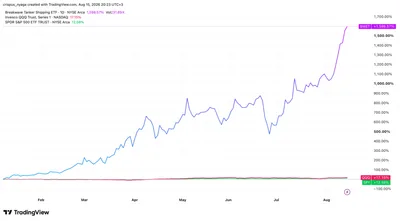
Read more BWET ETF Surges 1,600% in 2026 Amid US-Iran Conflict →
What makes the current analyst consensus noteworthy is the broader macroeconomic backdrop. With interest rates remaining elevated and bond yields competing more aggressively with equities for income-oriented capital, only the most conviction-worthy dividend names tend to earn prominent analyst endorsements. The fact that energy stocks are drawing that attention suggests analysts see valuations and payout sustainability as compelling relative to other income alternatives.
For retail investors, the appeal of dividend stocks extends beyond the yield itself. Reinvested dividends have historically accounted for a significant share of total equity returns over long periods, making a disciplined dividend strategy less about income replacement and more about compounding wealth. Energy names with strong analyst backing add a layer of fundamental credibility to that approach, reducing the guesswork around payout durability.
As always, investors should weigh sector concentration risk before tilting heavily toward any single industry, even one with an attractive yield profile. Commodity price swings, regulatory shifts, and the ongoing energy transition all introduce variables that purely quantitative yield screens cannot capture. Continue reading at US Top News and Analysis.