The Chip ETF Beating SMH by 20 Points With Less Nvidia
A semiconductor fund with lighter Nvidia exposure is outpacing the popular SMH ETF by a wide margin, raising questions about concentration risk.
In the intensely competitive world of semiconductor ETFs, conventional wisdom has long held that maximum exposure to Nvidia equals maximum returns. A closer look at recent fund performance, however, suggests that thesis deserves scrutiny. One chip-focused fund carrying a smaller Nvidia weighting has reportedly outpaced the widely followed VanEck Semiconductor ETF, known by its ticker SMH, by roughly 20 percentage points — a gap wide enough to force portfolio managers to reconsider how they construct sector exposure.
SMH has built its reputation as the go-to vehicle for semiconductor investors largely because of its heavy concentration in Nvidia, whose AI-driven revenue surge made it the defining equity story of the past two years. But concentration is a double-edged sword. When a single holding dominates a fund's weighting, the portfolio's fate becomes tightly coupled to one company's earnings cycles, valuation multiples, and competitive position — all of which can shift rapidly in a sector as cyclical and capital-intensive as semiconductors.
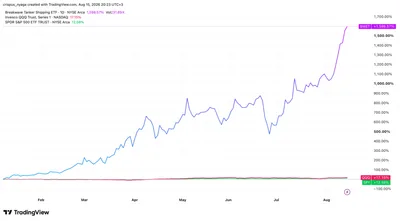
Read more BWET ETF Surges 1,600% in 2026 Amid US-Iran Conflict →
The outperforming fund's lighter Nvidia allocation appears to have allowed broader exposure to other parts of the chip ecosystem — areas such as analog semiconductors, chipmaking equipment, or memory — that may be catching their own tailwinds as the AI buildout matures beyond the GPU layer. This diversification within the sector, rather than a bet against Nvidia per se, seems to be the structural driver of the performance divergence.
For retail and institutional investors alike, the episode is a timely reminder that index construction methodology matters enormously, even within a narrow sector. Two funds with nearly identical mandates can produce strikingly different outcomes depending on how they weight constituents, rebalance positions, and define the boundaries of their investable universe. In a market where a handful of mega-cap names dominate most passive portfolios, finding differentiated exposure has real analytical and financial value.
The 20-point performance gap also arrives at a moment when Nvidia's valuation premium is drawing increased scrutiny from analysts monitoring AI capital expenditure sustainability. Whether the divergence represents a temporary rotation or a more durable shift in semiconductor leadership remains an open question — but the data points are worth watching closely. Continue reading at Yahoo Finance.