Texas Officials Reject Textbooks Over Climate Science Content
Texas education officials have rejected textbooks citing concerns over climate science, raising fresh debate over curriculum standards in public schools.
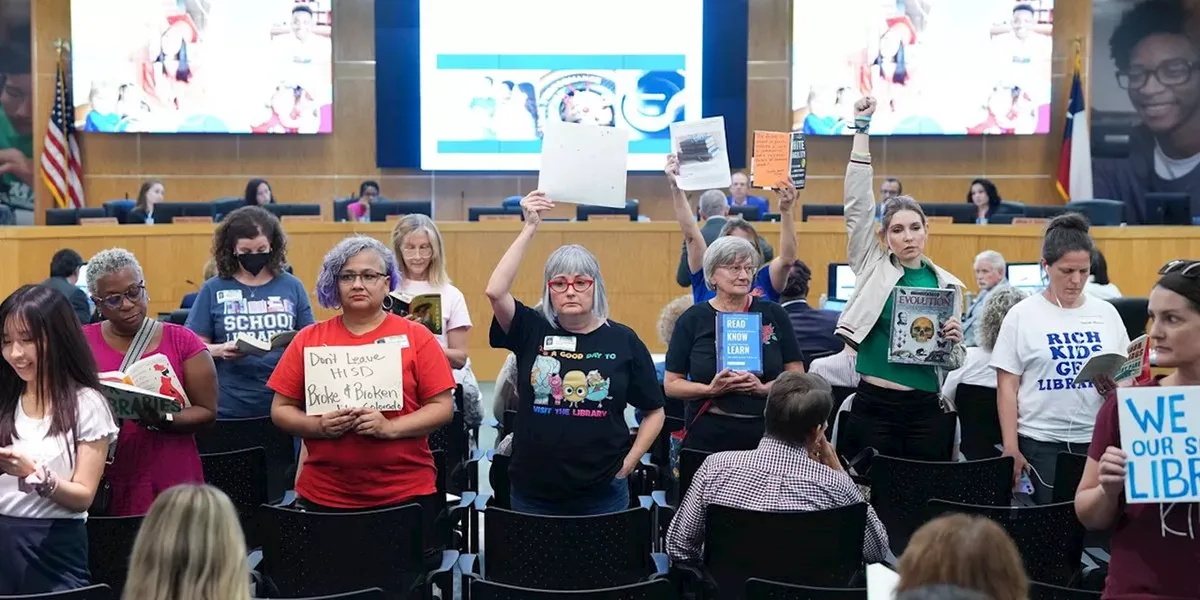
Texas education officials have moved to reject a set of textbooks largely on the grounds that the materials include climate science content, a decision that puts the state once again at the center of a long-running national debate over what students learn in public school classrooms. The move reflects a broader ideological tension that has repeatedly surfaced in Texas, a state whose sheer size gives its curriculum decisions outsized influence over the national textbook market.
Because Texas represents one of the largest single purchasers of educational materials in the country, publishers have historically tailored their products to meet state standards — meaning what Texas accepts or rejects can quietly shape what students across the country end up reading. A rejection rooted in climate science disputes therefore carries implications well beyond state lines, potentially influencing how publishers frame environmental and scientific topics in future editions aimed at a national audience.
Read more Medicare Obesity Drug Coverage Starts July 1 — Awareness Gap Looms →
The decision fits a pattern that education researchers and science advocates have documented for years: elected or appointed officials with limited scientific credentials making content determinations that contradict the consensus positions of major scientific bodies, including NASA, NOAA, and the Intergovernmental Panel on Climate Change. Critics argue this dynamic systematically disadvantages students by exposing them to a curriculum that diverges from established scientific understanding at precisely the moment when climate literacy is becoming an essential workforce and civic skill.
Proponents of the rejection counter that local and state authorities have both the right and the responsibility to shape the materials used in their classrooms, framing the move as an exercise of democratic accountability over public education. That argument, familiar from prior Texas textbook controversies involving evolution and social studies standards, tends to frame scientific consensus as a matter of political opinion rather than empirical evidence — a distinction that sits at the heart of the conflict.
The episode arrives as states nationwide are revisiting education standards across multiple disciplines, making Texas's latest decision a bellwether worth watching for parents, publishers, and policymakers alike. Continue reading at headtopics (commondreams).