Strait of Hormuz Closure Deepens as Iran-US Tensions Reset
Ship traffic through the Strait of Hormuz has collapsed to conflict-era lows, with oil and LNG flows near zero as Iran and the US resume military pressure.
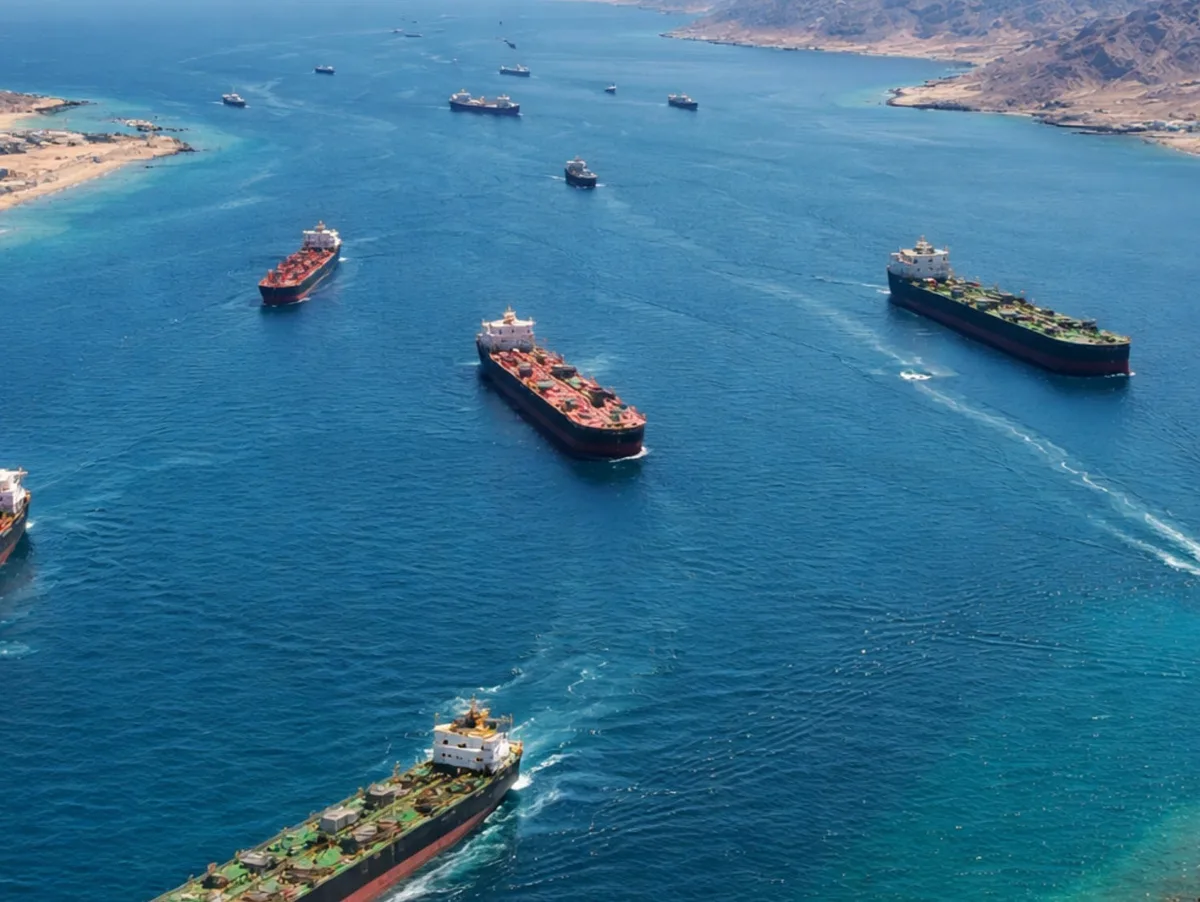
The Strait of Hormuz has effectively returned to a wartime footing. Following a resumption of US-Iran military strikes, the strategic waterway has reverted to what analysts are describing as a de facto closure, with the US reimposing its naval blockade at the western end of the strait. The brief ceasefire memorandum that offered a window of relief has, in practical terms, been nullified — both sides appear to have reset to pre-agreement positions.
The shipping data tells a stark story. Since July 18, verified vessel crossings have fallen to fewer than 10 per day, matching the lowest point recorded during the peak of hostilities. Even when accounting for shadow fleet movements — vessels operating outside conventional tracking — the figure climbs only to an estimated 13 to 19 ships daily, figures that offer little comfort to energy markets. Oil tankers still transiting the waterway are almost exclusively Iranian or Chinese-linked, and only a single VLCC supertanker has successfully crossed since July 18. LNG tanker transits have been zero since July 16, a particularly painful development for Qatar, which depends heavily on the route for export revenues.
Read more Adobe Stock Jumps 5.6% But Trades Far Below Estimated Fair Value →
Diplomatically, Tehran is running the same playbook that preceded the original ceasefire: returning the pressure to Washington and conditioning any reopening on US concessions over oil sanctions and frozen assets. Iran's approach amounts to strategic patience — allowing selective, symbolic transits to maintain a veneer of cooperation while extracting maximum leverage. The previous ceasefire followed this script closely, with Iran permitting limited traffic before effectively closing the strait again.
The immediate question is whether Washington pursues a second ceasefire agreement or escalates. A full-scale military confrontation with Iran appears remote given the domestic political calculus — particularly with midterm elections approaching — but a renewed deal is unlikely to produce meaningfully different outcomes. Any reopening under such terms would almost certainly be performative rather than structural, buying time rather than resolving the underlying standoff over sanctions relief and regional security guarantees.
For global energy markets, the uncertainty is compounding. The Hormuz corridor handles a significant share of the world's seaborne oil and LNG, and even short disruptions carry outsized price implications. A prolonged stalemate with no credible diplomatic off-ramp keeps that risk premium firmly in place. Continue reading at Forexlive.