SpaceX Shares Slide 11% as Lockup Expires and Cost Fears Grow
SpaceX stock extended losses amid a lockup expiration and investor anxiety over rising capital expenditure commitments.
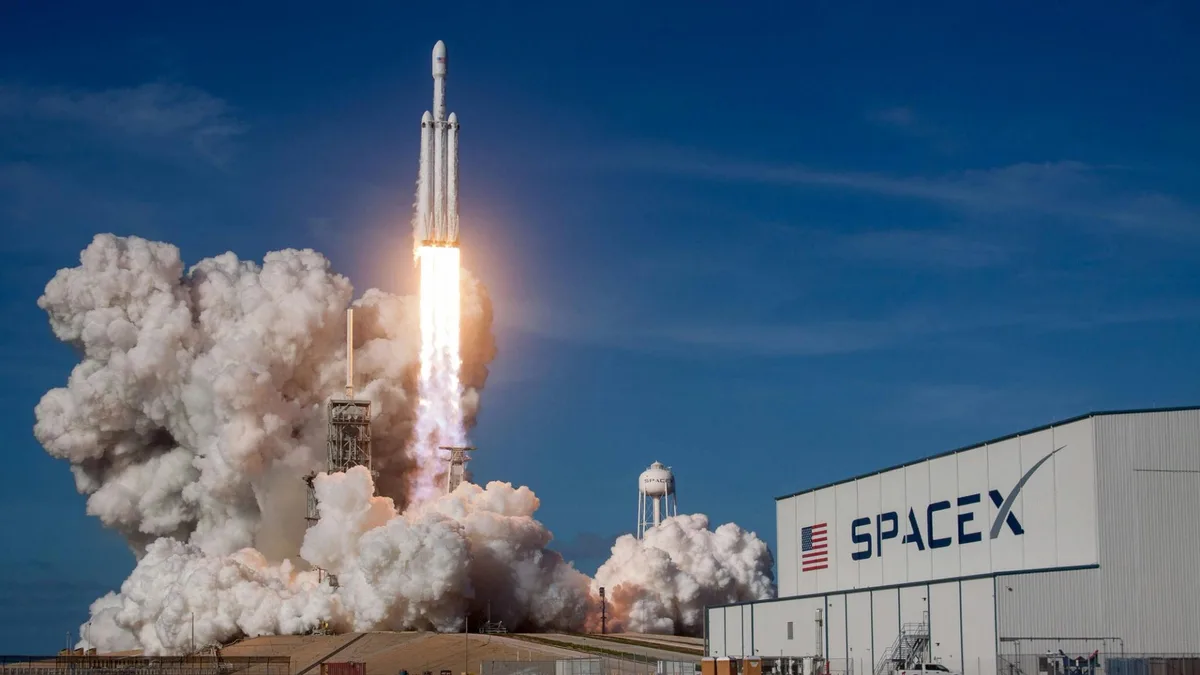
SpaceX shares deepened their decline by 11% as two converging pressures weighed on the private aerospace company's secondary market valuation: the expiration of a lockup period that restricted early investors and insiders from selling, and growing unease among investors about the company's escalating capital expenditure trajectory.
Lockup expirations are a familiar source of short-term turbulence in equity markets. When restrictions on insider selling lift, the potential for a surge in supply — even if not all eligible holders choose to sell — can depress prices as buyers price in that uncertainty. For a company of SpaceX's scale and ambition, this dynamic is amplified by the sheer magnitude of capital the business requires to pursue its goals.
Read more Jim Cramer Calls SpaceX a Multigenerational Investment for Families →
The capital expenditure concern reflects a broader tension in the aerospace and satellite industries: the gap between visionary infrastructure spending and near-term profitability. Investors weighing SpaceX's aggressive development pipeline — spanning rocket manufacturing, Starlink satellite expansion, and deep-space ambitions — must reconcile those long-horizon bets against current cash burn rates and uncertain revenue timelines.
While SpaceX remains one of the most closely watched private companies in the world, its secondary market shares are inherently less liquid and more volatile than publicly listed peers. Price swings around structural events like lockup expirations can therefore be sharper and less reflective of underlying fundamental shifts than they might appear on the surface. Analysts and sophisticated investors often treat such moves as noise rather than signal, though the capex narrative adds a layer of substantive concern worth monitoring.
Taken together, the 11% decline illustrates how even the most celebrated private ventures are not immune to the mechanics of market structure and investor sentiment. Continue reading at CoinDesk.