SpaceX's $25 Billion Bond Deal Draws Investor Caution
SpaceX launched a massive $25B bond offering weeks after a major cash raise, but bond markets are signaling hesitation amid cooling AI enthusiasm.
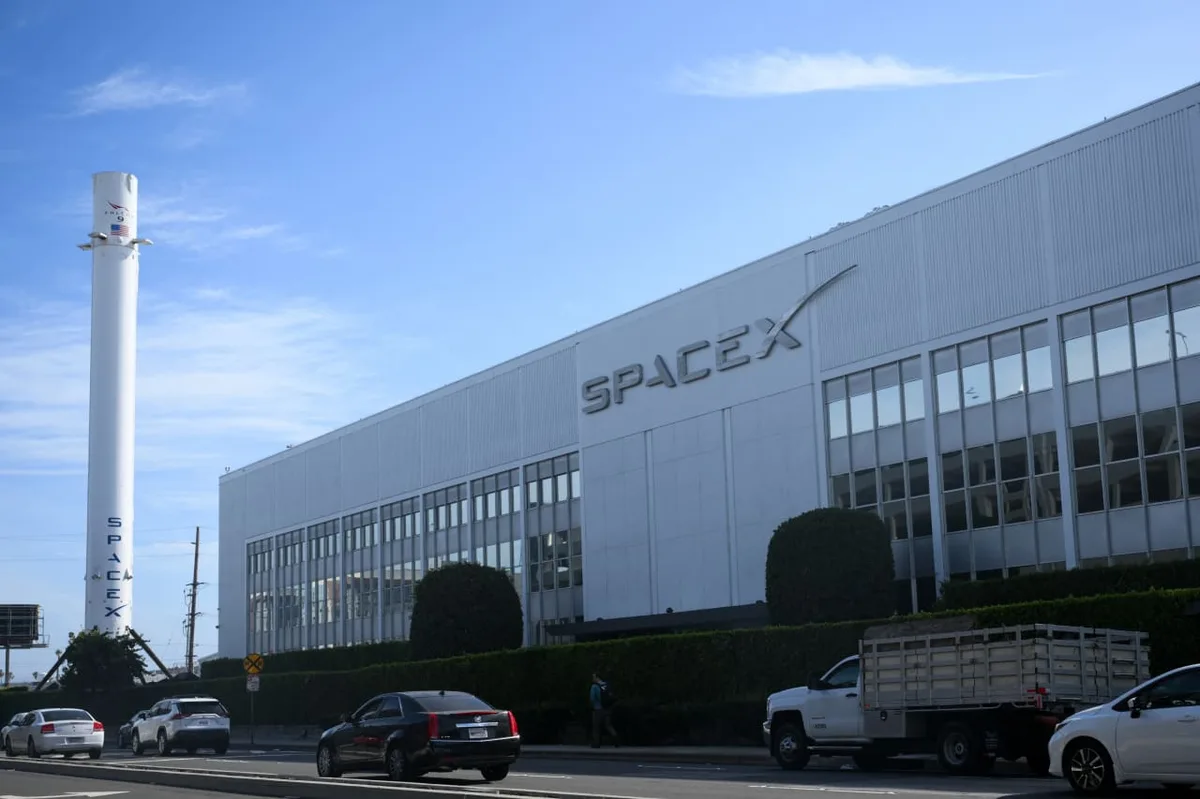
SpaceX made headlines this week by launching a $25 billion bond deal, a striking move that came less than two weeks after the Elon Musk-led company had already raised tens of billions of dollars in fresh capital. The rapid succession of fundraising rounds is drawing scrutiny from fixed-income investors who are beginning to ask pointed questions about the pace and scale of the company's capital needs.
The timing is notable. Bond markets, which tend to reflect more sober institutional judgment than equity markets, are signaling some hesitation — a meaningful contrast to the euphoric sentiment that has surrounded Musk-affiliated ventures and the broader AI investment landscape in recent months. When bond investors pump the brakes, it often signals that the risk-reward calculus is being reassessed at a fundamental level.
Read more GPIQ's 10% Yield Looks Attractive, But Hidden Costs Matter →
The back-to-back capital raises raise a broader question about what SpaceX — a company that spans rocket launches, satellite internet through Starlink, and increasingly ambitious deep-space ambitions — actually needs the money for, and whether the current fundraising cadence reflects strategic expansion or something more urgent. The sheer size of these transactions places SpaceX among the most aggressive corporate borrowers of the moment.
For observers of both the private space industry and the AI-adjacent investment frenzy, the bond market's cool reception serves as a useful reality check. Enthusiasm for transformative technology companies has driven valuations and deal flow to extraordinary heights, but credit markets have historically been quicker to reprice risk when growth narratives outpace fundamentals. SpaceX's bond pricing and investor appetite will be watched closely as a barometer of that broader sentiment shift.
Continue reading at MarketWatch.com