South Korea's IPO Slump: How Chaebol Structure Stifles Listings
South Korea's IPO market trails regional peers as chaebol dominance and governance reform tensions dampen new listings.
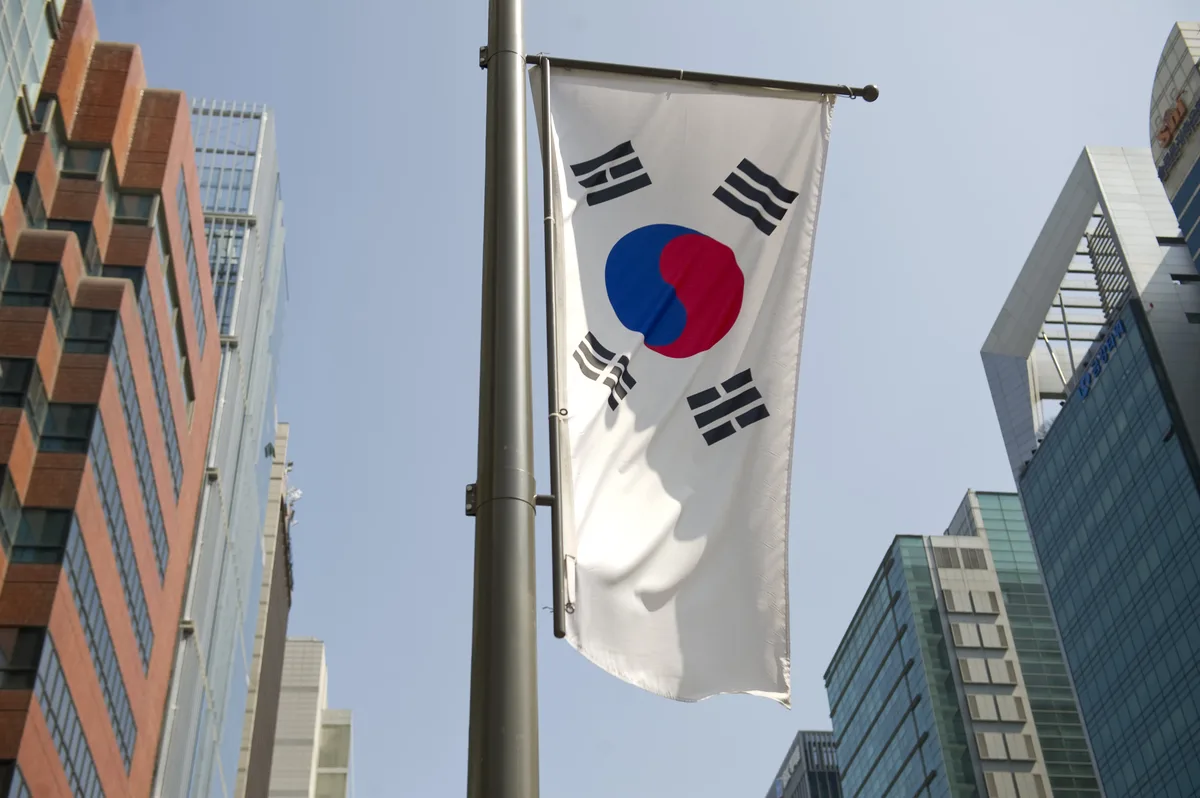
South Korea's initial public offering market has fallen conspicuously behind those of neighboring economies, a divergence that analysts trace less to macroeconomic headwinds than to the country's distinctive corporate architecture. The chaebol system — family-controlled industrial conglomerates that have long anchored Korean capitalism — creates structural friction that discourages subsidiaries and affiliated businesses from pursuing independent public listings, effectively shrinking the pipeline of potential offerings before it ever reaches the exchange floor.
The tension is compounded by an ongoing push for corporate governance reform in Seoul. Regulators and activist investors have pressed chaebols to improve transparency, shareholder returns, and board independence, yet those very reform pressures can make the IPO calculus more complicated for controlling families reluctant to dilute influence or submit to the heightened scrutiny that a public listing demands. The result is a kind of institutional standoff: reform efforts designed to modernize markets may paradoxically slow the listing activity that would deepen them.
Read more Microsoft, Visa, and Apple Stand Out as Long-Term Holds in Mid-2026 →
For South Korea's broader equity markets, the IPO drought carries real consequences. A thin listing pipeline limits portfolio diversity for domestic investors, constrains the price-discovery function that new issuances provide, and can suppress the dynamism that draws foreign institutional capital. Regional competitors have capitalized on this gap, attracting listings and investor attention that Seoul might otherwise command given the scale and sophistication of the Korean economy.
The situation highlights a wider challenge facing economies where concentrated corporate ownership structures predate modern capital market norms. Governance reform and IPO vitality are not automatically complementary; sequencing and incentive design matter enormously. Until South Korea finds a formula that persuades chaebol-affiliated entities that going public serves ownership interests rather than threatens them, the listing gap with regional peers is unlikely to close quickly.
Continue reading at US Top News and Analysis.



