Social Security Funding Gap Sparks Push to Tax High Earners More
With Social Security's trust fund facing depletion, some lawmakers want high earners to pay payroll taxes year-round instead of just part of the year.
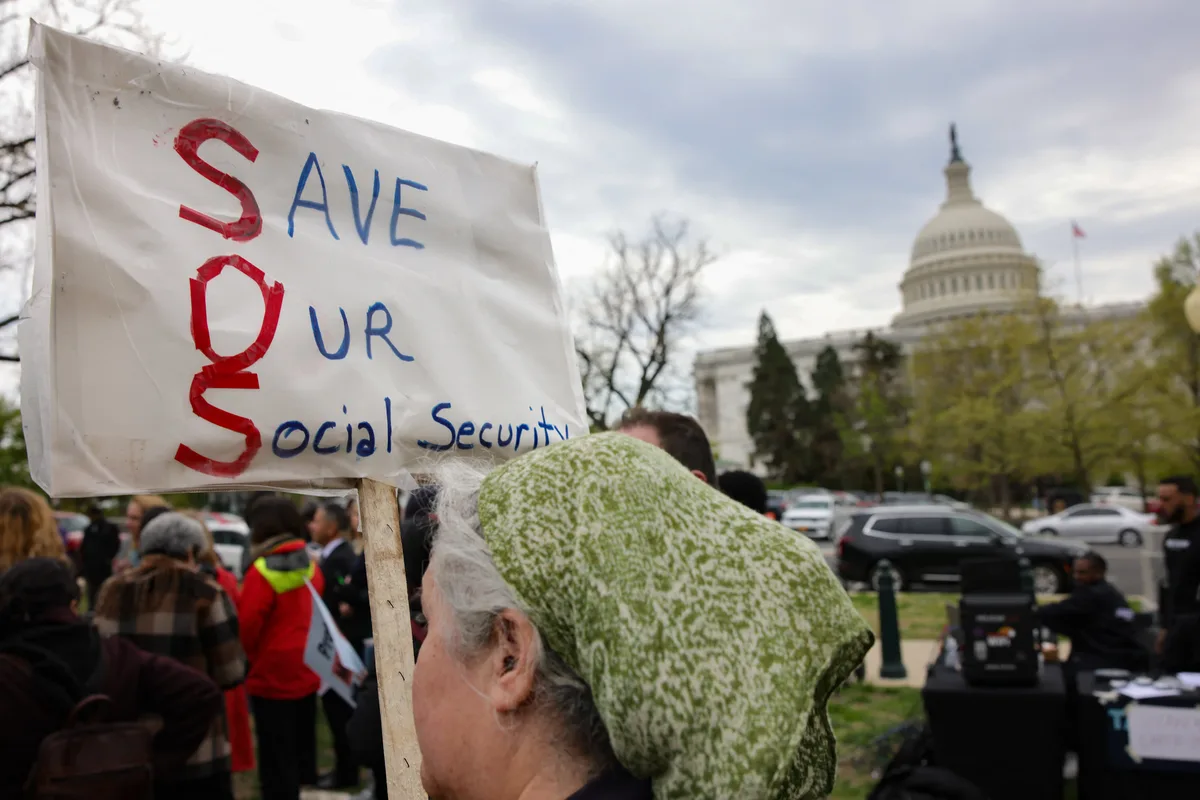
Social Security's long-term financial health has become an increasingly urgent policy debate in Washington, and a growing coalition of lawmakers believes the solution lies at the top of the income ladder. Under the current structure, payroll taxes that fund Social Security are only applied to wages up to a set annual ceiling — meaning high earners effectively stop contributing to the program partway through the calendar year, while lower- and middle-income workers pay in on every dollar they earn.
That asymmetry is drawing fresh scrutiny as projections for the program's trust fund depletion grow harder to ignore. When the trust fund runs dry, benefits could face automatic cuts affecting tens of millions of retirees and disabled Americans — an outcome that both parties have historically sought to avoid but have struggled to agree on how to prevent.
Read more FIFA Permits Rainbow Flags at Egypt vs. Iran World Cup Match →
The legislative push to raise or eliminate the earnings cap on Social Security payroll taxes is not new, but it is gaining renewed momentum. Proponents argue that asking the highest earners to contribute throughout the full year — just as most working Americans already do — represents the most straightforward path to shoring up the program's finances without cutting benefits or dramatically raising taxes on the middle class.
Opponents of the approach, typically fiscal conservatives and business groups, counter that lifting the cap amounts to a significant tax increase on job creators and could have broader economic consequences. The debate reflects a fundamental disagreement about whether Social Security's funding problem is primarily a revenue issue, a spending issue, or some combination of both — a tension that has defined entitlement reform discussions for decades.
With no bipartisan consensus yet in sight and the trust fund clock ticking, the pressure on Congress to act is only likely to intensify in the coming years. Continue reading at US Top News and Analysis.