SNAP Restrictions Reshape Grocery Spending for Food Giants
States are expanding SNAP purchase restrictions, forcing major food and beverage companies to reckon with potential shifts in consumer spending.
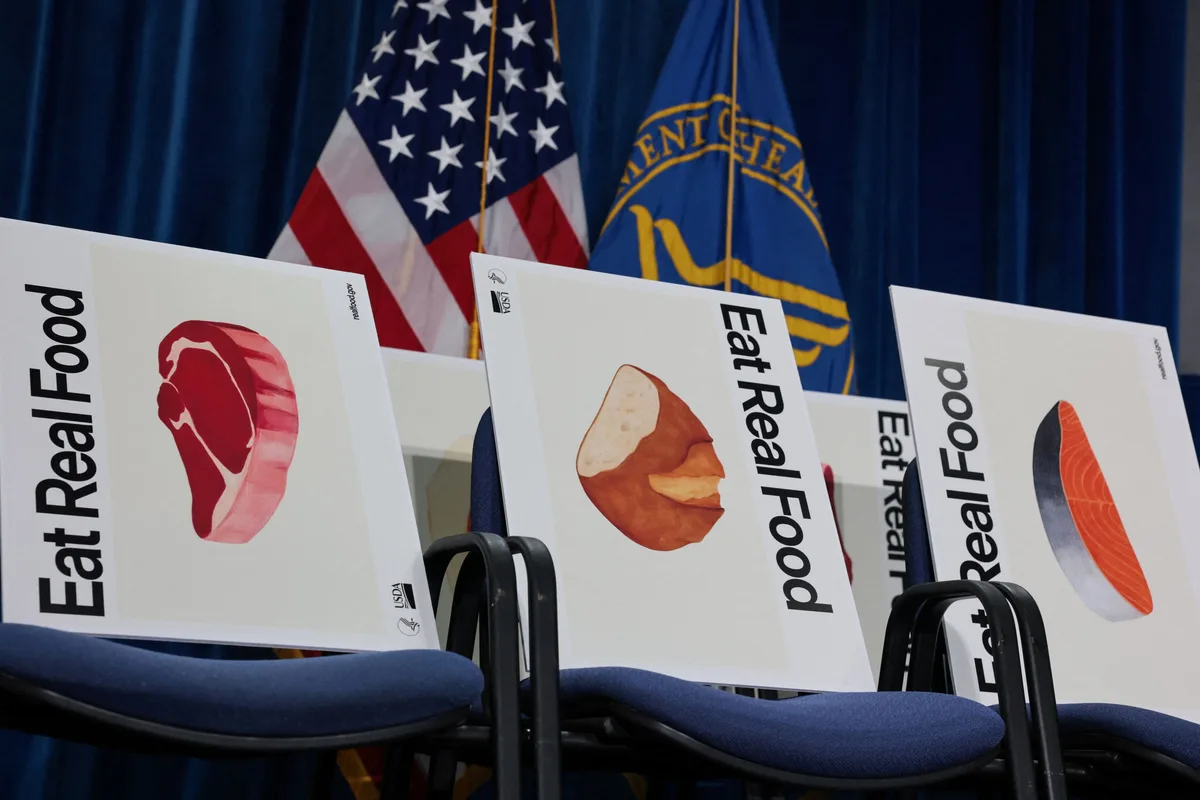
A quiet policy shift is rippling through the food industry: more states are moving to restrict what Supplemental Nutrition Assistance Program (SNAP) recipients can purchase, with soda, candy, and ultra-processed foods increasingly in the crosshairs. For the millions of Americans who rely on the program — and the corporations whose bottom lines depend on their spending — the implications are significant.
The momentum behind these restrictions reflects a broader political appetite for reshaping how federal nutrition dollars are spent. Proponents argue that limiting SNAP purchases to healthier options would improve public health outcomes among low-income households. Critics counter that such restrictions are paternalistic and do little to address the structural reasons why processed foods remain affordable and accessible while fresh produce often does not.
Read more Fiji's Tourism Industry Faces a Deadline It Cannot Afford to Miss →
For major food and beverage companies, the stakes are considerable. SNAP accounts for a substantial portion of grocery store revenue, and products like sugary drinks and packaged snacks have historically benefited from that spending. If restrictions gain wider traction, companies that depend heavily on those categories could face meaningful headwinds — creating pressure to either reformulate products, shift marketing strategies, or find new consumer segments to offset any losses.
The industry is watching closely, and the outcome of these policy experiments in individual states could set a template for broader federal action. Whether or not restrictions actually change dietary behavior at scale remains an open empirical question — but the business risk is real enough that food giants are treating it as a strategic variable rather than a distant regulatory hypothetical. The intersection of public health policy and consumer packaged goods has rarely felt more consequential.
Continue reading at US Top News and Analysis