SK Hynix's $30B U.S. Listing: What It Means for Micron Investors
SK Hynix's potential $30 billion U.S. listing could expand memory-chip investment options while intensifying scrutiny of the sector's cyclical risks.
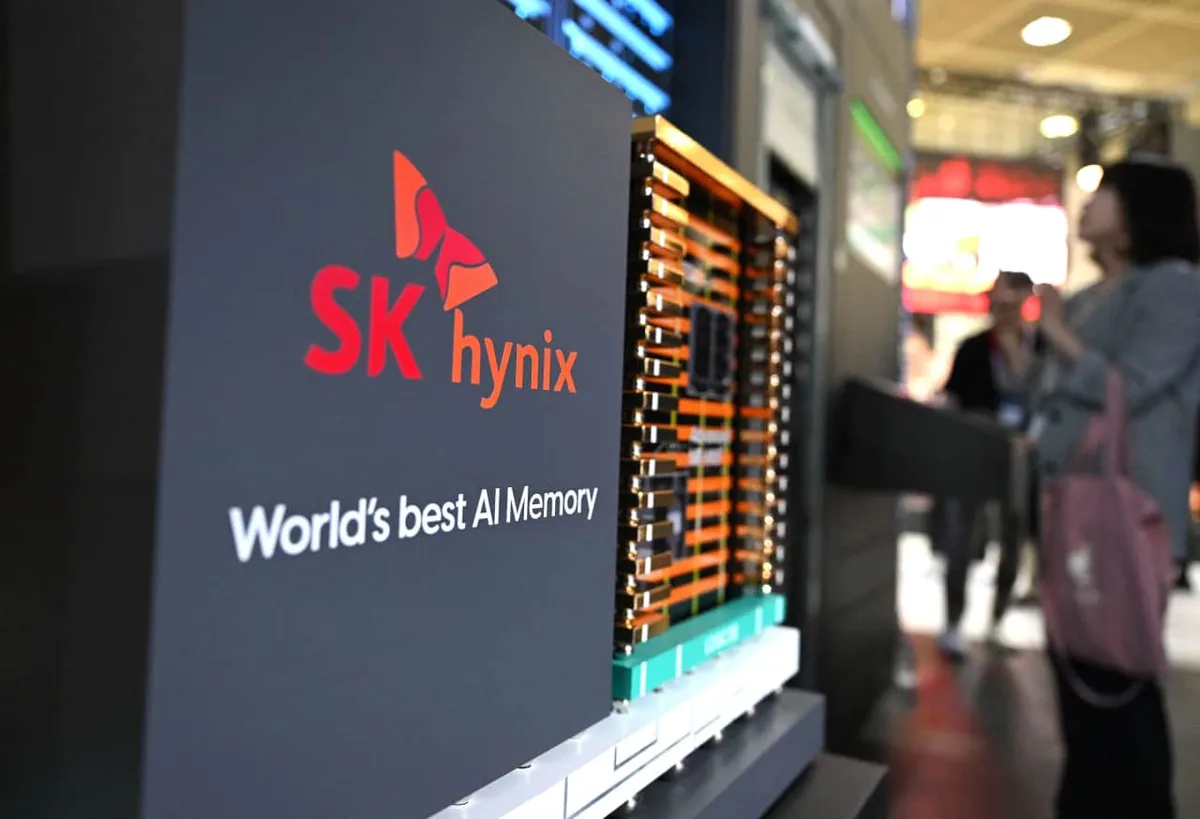
The global memory chip industry may be on the verge of a significant structural shift for American investors. SK Hynix, the South Korean semiconductor giant and one of the world's dominant producers of DRAM and NAND flash memory, is reportedly weighing a U.S. listing that could be valued at roughly $30 billion. That move would give retail and institutional investors stateside a direct route into a company that has historically been accessible only through foreign exchanges — broadening the competitive landscape for Micron Technology, currently the only major memory chipmaker with a primary U.S. listing.
For Micron shareholders, the development carries a genuine duality. On one hand, SK Hynix's arrival on American markets could siphon capital away from Micron by offering portfolio managers an alternative pure-play in the memory space. Investors who previously defaulted to Micron simply because it was the most accessible option may find reason to diversify. That kind of competition for investor dollars rarely benefits the incumbent, at least in the short term.
Read more Microsoft, Visa, and Apple Stand Out as Long-Term Holds in Mid-2026 →
On the other hand, a high-profile U.S. listing from SK Hynix could actually elevate broader awareness of the memory sector itself — drawing in a new class of investors who had not previously considered semiconductor memory as a distinct investable theme. If the listing coincides with a favorable point in the memory cycle, both companies could benefit from increased institutional attention and analyst coverage. The net effect on Micron's valuation would depend heavily on market timing and sentiment at the moment of any potential offering.
The deeper analytical point is what a dual-listed SK Hynix would reveal about industry dynamics more broadly. Memory chips are notoriously cyclical, prone to dramatic swings in pricing tied to supply gluts and demand shocks. Greater transparency around SK Hynix's financials and competitive positioning — which a U.S. listing would mandate — could sharpen investor understanding of just how tightly correlated the fortunes of these two companies are. That visibility cuts both ways: it could validate Micron's premium during upcycles, or expose the sector's fragility during downturns with far greater speed than before.
Ultimately, SK Hynix's consideration of a U.S. listing represents one of the more consequential potential developments for the domestic semiconductor investment universe in years. Continue reading at MarketWatch.com.



