Ships Reroute Near Strait of Hormuz Amid Iran Tensions
Vessel traffic near the Strait of Hormuz is shifting as some ships adopt Iran-approved routes, signaling fresh pressure on a critical global chokepoint.
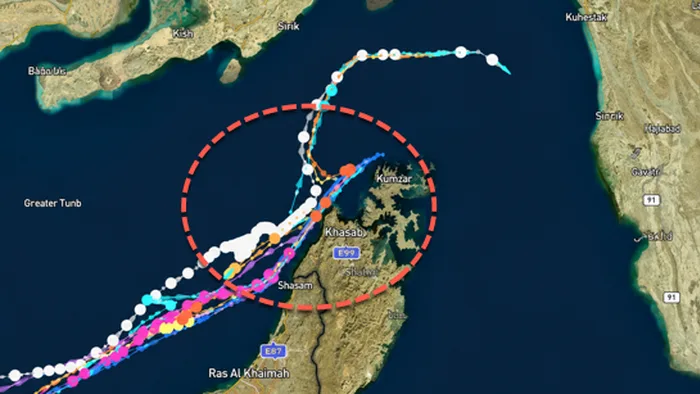
Maritime traffic near the Strait of Hormuz, one of the world's most consequential shipping lanes, is showing signs of acute stress. According to a report from ZeroHedge, vessels have been abruptly reversing course in the vicinity of the strait, while some operators are opting to take routes that carry implicit Iranian approval — a development that carries significant geopolitical and commercial weight.
The Strait of Hormuz is the passage through which a substantial share of the world's seaborne oil flows, making any disruption or behavioral shift among shipping operators a matter of global economic consequence. When ships begin self-selecting routes based on geopolitical pressure rather than pure commercial logic, it typically reflects a broader risk calculus — insurers, charterers, and flag states all factor into decisions that may appear sudden but are often the product of weeks of quiet deliberation.
Read more Adobe Stock Jumps 5.6% But Trades Far Below Estimated Fair Value →
The phenomenon of vessels executing abrupt U-turns near strategic chokepoints is a well-documented early warning signal in maritime risk analysis. It suggests that crews or operators are receiving real-time threat intelligence, diplomatic signals, or insurance guidance that makes proceeding on a planned route untenable. The shift toward Iran-approved corridors adds another layer of complexity, implying that some commercial actors are making implicit accommodations to Iranian authority in the region rather than risk confrontation or seizure.
The broader context matters here. Elevated tension in the Persian Gulf has periodically rattled energy markets and supply chains, and any sustained rerouting behavior could affect tanker availability, freight rates, and ultimately the price of crude reaching Asian and European refiners. Whether this represents a temporary spike in caution or the beginning of a more durable shift in how commercial shipping navigates the region remains an open question — one that energy traders and policymakers will be watching closely.
Continue reading at zerohedge.