Senate Pushes Back on Iran Deal With War Powers Vote
GOP senators are demanding transparency on Trump's Iran negotiations, raising concerns over sanctions, nuclear limits, and Congress's role.
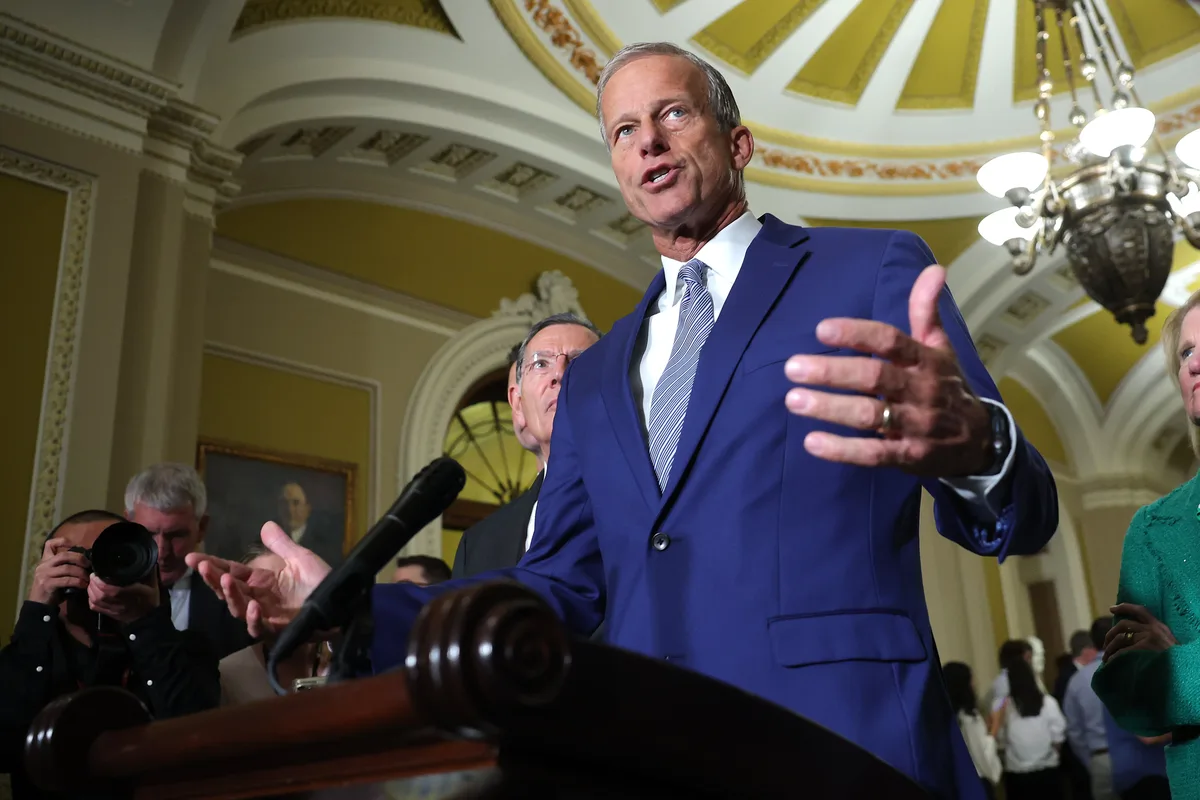
A growing faction of Senate Republicans is pressing the Trump administration for detailed answers about the contours of any emerging Iran nuclear agreement, signaling that the president's diplomatic push faces meaningful friction within his own party. The Senate's decision to advance a war powers resolution underscores the legislative branch's determination to assert itself in a foreign policy moment with sweeping national security implications.
At the center of the debate are three interlocking concerns: how much sanctions relief Iran would receive, what restrictions would be placed on its nuclear program, and whether Congress would have a formal role in approving any final accord. Each question carries significant political weight, particularly for Republican lawmakers who have long championed a maximalist posture toward Tehran and remain deeply skeptical of negotiated compromises.
Read more Rubio to Reassure Gulf Allies Anxious Over U.S.-Iran Talks →
The war powers resolution itself is largely symbolic in its immediate legal effect, but its passage reflects a broader anxiety among legislators that executive branch deal-making could bypass the kind of rigorous congressional scrutiny that a consequential international agreement would traditionally require. It sends a clear political signal to the White House that Republican unity on Iran policy cannot be assumed.
For the Trump administration, the Senate pressure complicates what would otherwise be a potential foreign policy achievement. Brokering any kind of arrangement with Iran would require convincing a skeptical congressional caucus that the terms are sufficiently tough — a standard that remains undefined and therefore politically movable. The diplomatic and domestic legislative tracks are now running in direct tension with each other.
The episode illustrates a recurring tension in American governance: presidents assert broad authority over foreign affairs, while legislators insist that agreements with adversaries demand accountability and transparency. How that tension resolves will shape both the substance of any Iran deal and the political legacy attached to it. Continue reading at US Top News and Analysis.