Seagate Earnings Beat Signals Resilience in AI Storage Demand
Seagate's June-quarter results topped Wall Street forecasts, sending shares higher after hours and offering a lift to the bruised AI trade.
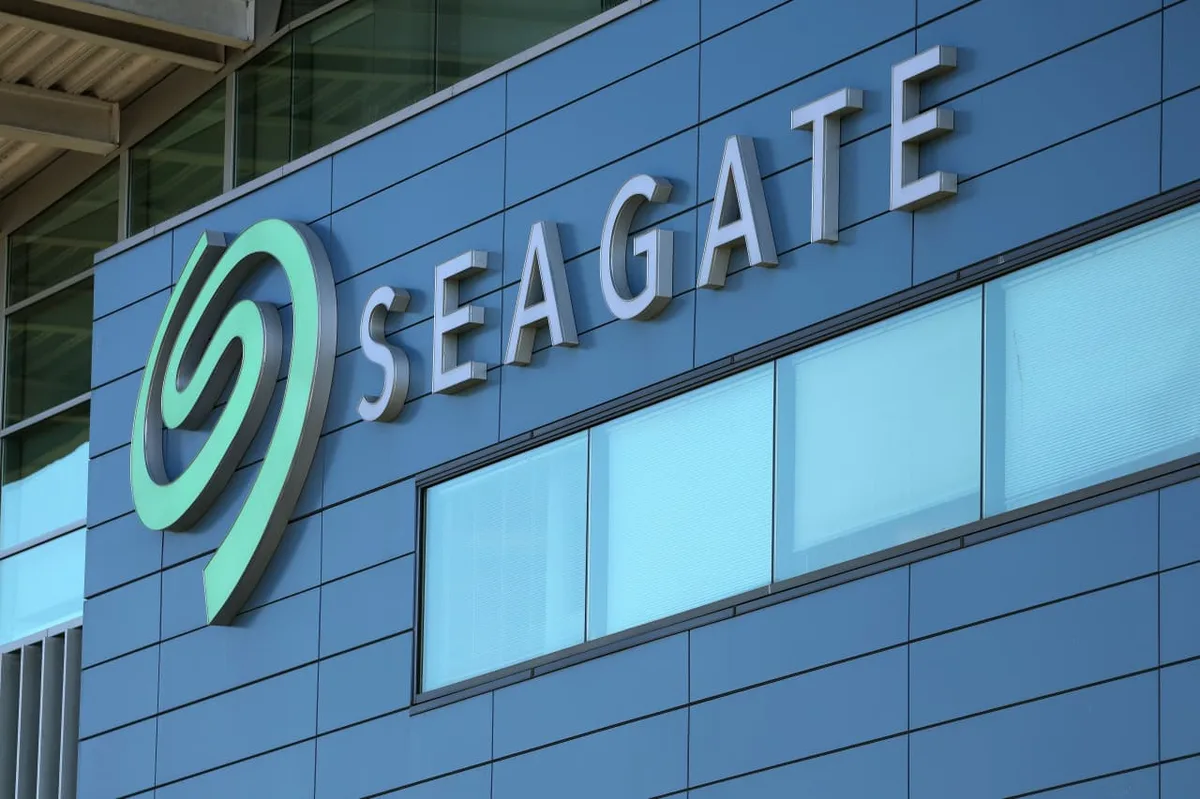
Seagate Technology delivered June-quarter earnings that surpassed analyst expectations, providing a much-needed vote of confidence for investors who have grown increasingly anxious about the durability of artificial intelligence-driven demand. The storage maker's outperformance pushed its shares meaningfully higher in after-hours trading, a reaction that reflects just how starved the market has been for concrete evidence that AI infrastructure spending remains intact.
The result carries weight beyond Seagate itself. Hard disk drive manufacturers sit at a foundational layer of the AI supply chain, supplying the mass-capacity storage that data centers require to house the enormous datasets underpinning large language models and other AI workloads. When a company at that tier beats estimates, it suggests that hyperscaler capital expenditure — the big-ticket spending by cloud giants that has driven much of the AI narrative — has not materially softened.
Read more Bitcoin Stability Fails to Ignite a Broader Altcoin Rally →
That context matters because the broader AI trade has endured a turbulent stretch, with investors questioning whether enthusiasm for the technology has outrun near-term revenue realities. Seagate's numbers offer a data point, however single, that demand signals from the storage layer are holding up — a reassuring sign for the constellation of semiconductor, hardware, and infrastructure names that have been caught in the same crosscurrents.
Analysts and portfolio managers will likely parse the company's forward guidance closely for any indication of order-book trends or pricing dynamics that could confirm — or complicate — this more constructive read. A single quarter rarely settles a macro debate, but in a market hungry for validation, Seagate's beat gives AI bulls at least a temporary foothold.
Continue reading at MarketWatch.com