Savers Value Village Uses AI to Standardize Thrift Store Pricing
The thrift chain is deploying an AI pricing tool aimed at keeping secondhand goods consistently affordable across its stores.
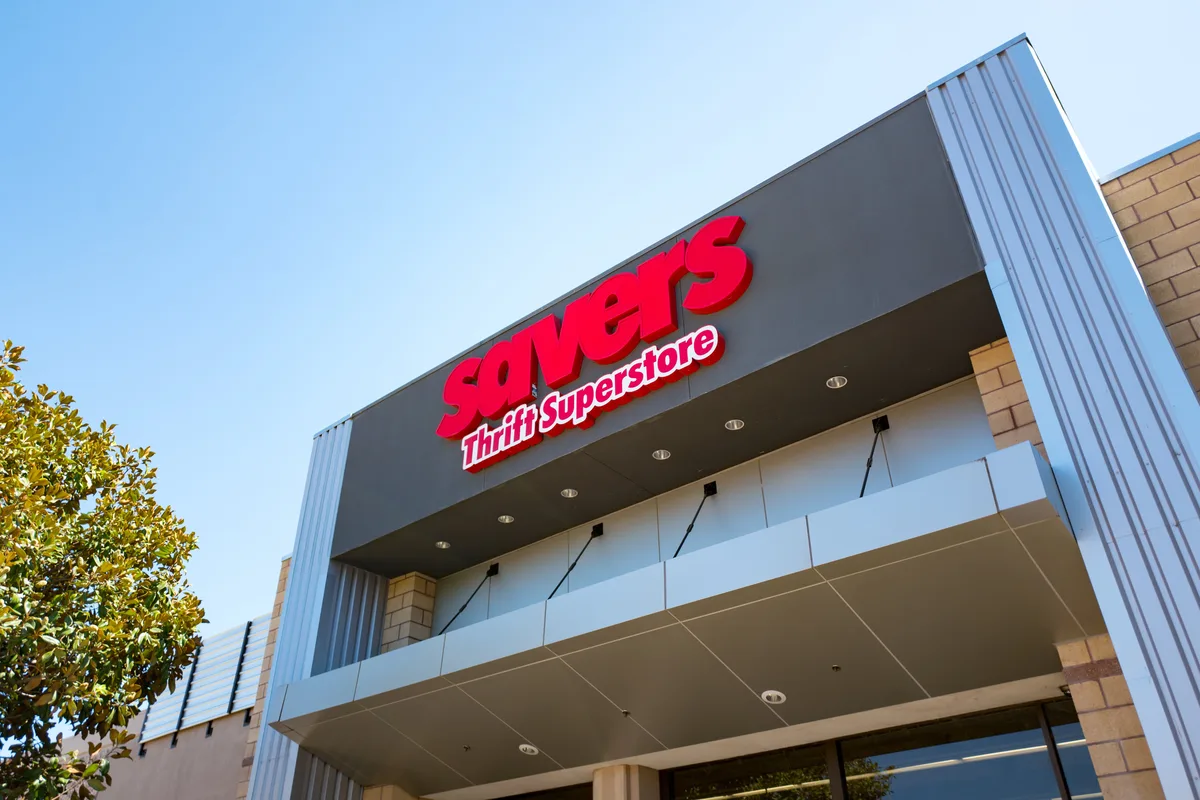
Savers Value Village, one of the largest for-profit thrift store chains in North America, is rolling out an artificial intelligence-powered pricing tool designed to bring greater consistency and affordability to the way it tags secondhand merchandise, the company revealed exclusively to CNBC. The move signals a broader shift in how even value-oriented retailers are leaning on machine learning to solve operational challenges that were once handled entirely by human judgment.
For thrift stores, pricing has historically been one of the most labor-intensive and inconsistent parts of the business. Donated goods arrive in wildly varying conditions, categories, and quantities, making it difficult for staff to apply uniform standards across thousands of individual items each day. An AI-driven system theoretically addresses that bottleneck by drawing on large datasets to recommend prices that reflect both the item's perceived value and the retailer's goal of remaining accessible to budget-conscious shoppers.
Read more Madison Air Solutions Strikes $5.4B Deal to Acquire ebm-papst →
The strategic timing is worth noting. Thrift retail has seen a significant surge in consumer interest over the past several years, driven by inflation pressures, growing secondhand fashion culture, and sustainability awareness. That demand has paradoxically pushed prices upward at many resale outlets, drawing criticism from the low-income shoppers who have traditionally depended on thrift stores as a necessity rather than a trend. Savers' explicit framing of this tool as a mechanism to keep prices *low* appears to be a direct response to that reputational pressure.
Whether AI can reliably deliver on that promise remains an open question. Pricing algorithms are only as equitable as the data and objectives built into them, and without transparency into how the model is trained or weighted, it is difficult to independently verify that outcomes will consistently favor affordability over margin optimization. Still, the initiative represents a notable experiment in applying enterprise-grade technology to one of retail's most price-sensitive segments.
Continue reading at US Top News and Analysis