Salesforce's AI Acquisition Spree Fails to Convince Wall Street
Salesforce announced three deals in June alone, but investors remain skeptical about the company's aggressive AI buying strategy.
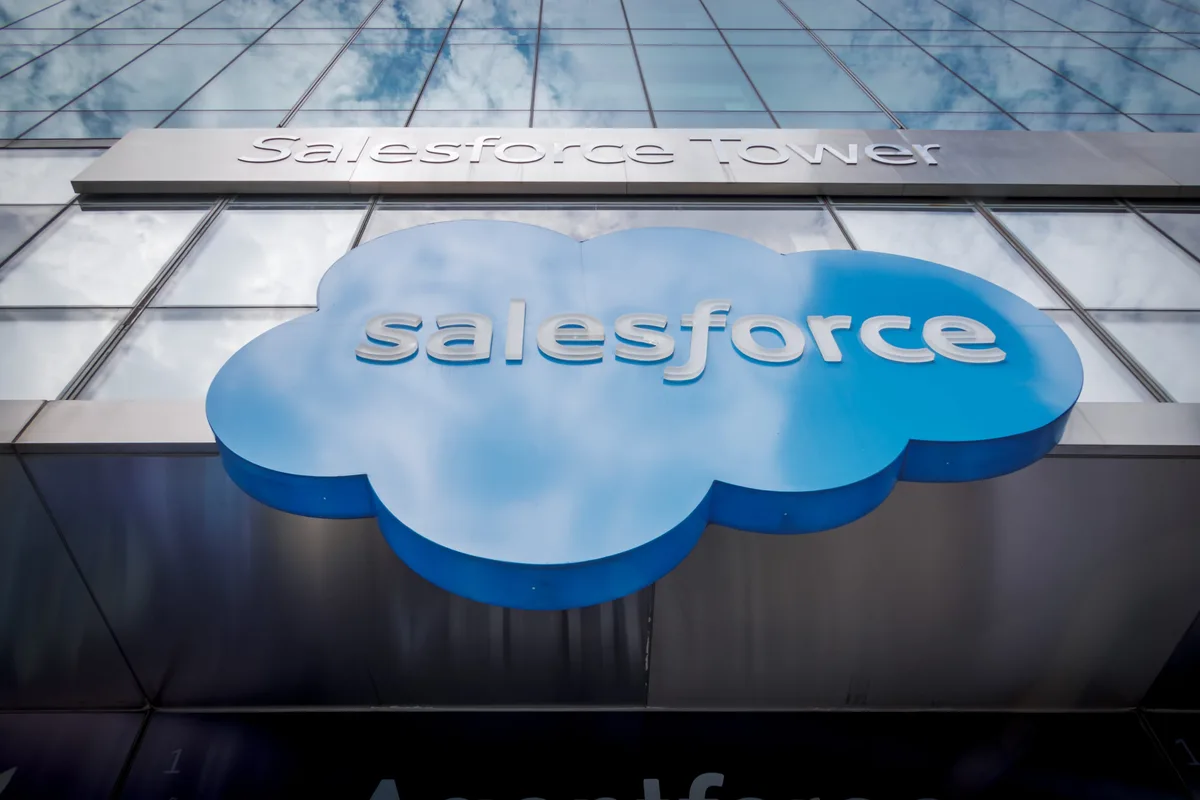
Salesforce has been moving at an unusually aggressive pace in the mergers and acquisitions market, announcing three separate deals within the month of June alone. The CRM giant appears determined to position itself as a dominant force in enterprise artificial intelligence, using acquisitions as its primary accelerant. For a company of Salesforce's scale, this kind of deal velocity signals a strategic urgency that goes beyond routine portfolio expansion.
Yet Wall Street has not rewarded the enthusiasm. Investor skepticism toward Salesforce's AI buying spree reflects a broader tension in the technology sector right now — the gap between a company's stated vision for AI transformation and its demonstrated ability to translate that vision into sustainable, measurable revenue growth. Acquisitions cost capital, introduce integration risk, and take time to bear financial fruit, all of which make analysts cautious.
Read more AMASS Brands to Buy Majority Stake in HpO Protein Water →
The pattern is familiar in tech history. Companies racing to build out capabilities through acquisition sometimes succeed in leapfrogging competitors, but they can also dilute focus and strain balance sheets if the deals fail to cohere into a unified product strategy. For Salesforce, which has already made major bets on AI through its Agentforce platform, the question investors are asking is whether additional acquisitions represent genuine strategic depth or a kind of defensive anxiety.
What makes the current moment particularly consequential is that enterprise software customers are themselves still determining how to deploy and budget for AI tools. Salesforce's buying spree may be an attempt to ensure it controls enough of the AI stack to become indispensable — but indispensability is a thesis that takes quarters, if not years, to prove out. Until the revenue story becomes clearer, Wall Street's caution is likely to persist.
Continue reading at US Top News and Analysis