S&P 500 Revenue Growth Hits Nearly 5-Year High in Q2
S&P 500 sales growth has surged to a nearly five-year high, driven largely by a dramatic revenue jump in the energy sector.
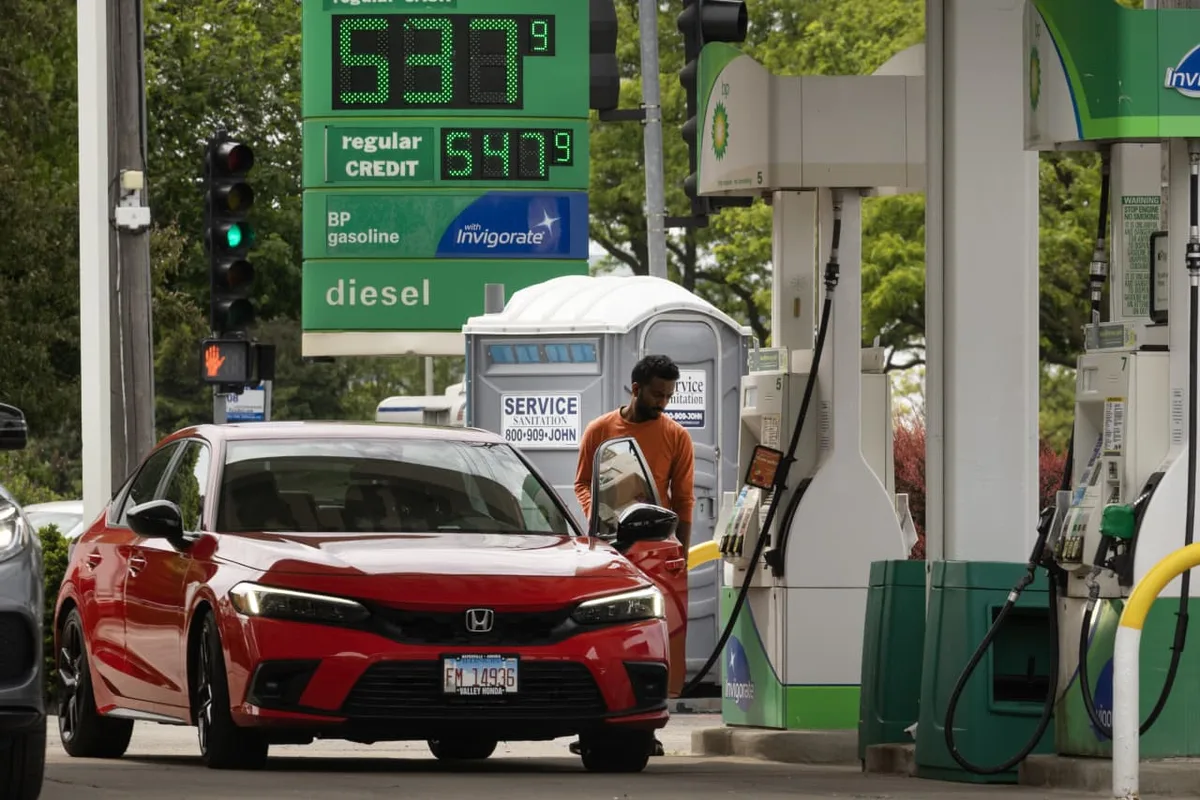
The S&P 500 is posting its strongest revenue growth in nearly five years, and the story behind that milestone is largely being written by one sector: energy. Energy companies within the index recorded a remarkable 42.5% revenue gain in the second quarter, a figure that single-handedly skewed the broader index's sales performance upward in a way few other sectors could.
To put that number in perspective, a 42.5% quarterly revenue surge from a sector as large and economically significant as energy is not a routine occurrence. It reflects a confluence of elevated commodity prices, rebounding demand, and the kind of pricing power that energy producers have been able to exercise in a market still recalibrating after years of supply disruption and geopolitical uncertainty.
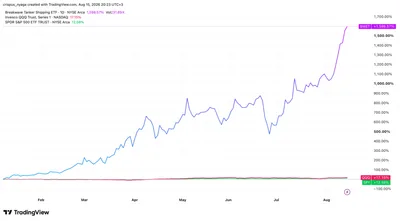
Read more BWET ETF Surges 1,600% in 2026 Amid US-Iran Conflict →
What makes this moment analytically interesting is what it says — and doesn't say — about the health of the broader economy. Index-wide revenue growth is a cleaner signal than earnings, which can be massaged through buybacks and accounting choices. Sales growth tells you whether companies are actually moving more product or commanding higher prices. A near five-year high on that metric suggests genuine economic activity, but the concentration of that growth in energy also means the headline number flatters the underlying picture for other sectors.
Investors and analysts watching corporate fundamentals should weigh this data carefully. A surge driven by one volatile, commodity-dependent sector is inherently fragile — energy revenues can reverse just as sharply as they rise if oil and gas prices correct. The broader question is whether sales momentum will broaden into other sectors of the index in coming quarters, or whether energy's outsized contribution will fade and pull the aggregate growth rate back down with it.
Continue reading at MarketWatch.com