Royal Gold Doubles Profits but Puzzles Investors With Buyback Move
Royal Gold's profits surged 100%, yet the company chose to launch a buyback program, raising questions about capital allocation priorities.

Royal Gold, the precious metals streaming and royalty company, finds itself in an unusual position: its profits have doubled, and yet rather than deploying that windfall into growth or dividends, management has opted to announce a share buyback program. For investors accustomed to royalty companies using boom periods to lock in new streaming deals, the timing invites scrutiny.
On the surface, a buyback during a period of strong earnings seems like a shareholder-friendly gesture — returning capital when the stock is presumably performing well. But royalty and streaming companies like Royal Gold derive their competitive advantage from continuously expanding their portfolio of royalty agreements with mining operators. Using cash for repurchases instead of new royalties could represent a subtle signal that attractive deal flow has become harder to find at reasonable valuations, or that management sees the stock itself as undervalued.
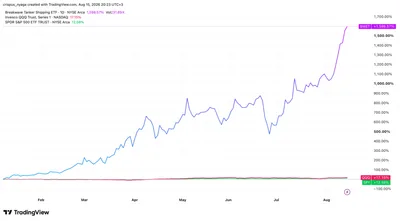
Read more BWET ETF Surges 1,600% in 2026 Amid US-Iran Conflict →
The doubling of profits likely reflects the broader tailwind sweeping through the gold sector, as bullion prices have remained elevated amid persistent macroeconomic uncertainty and continued central bank demand. For a royalty company, rising gold prices translate almost directly into higher revenues with minimal incremental cost, making the profit surge less surprising in context — but making the capital allocation decision all the more consequential.
The strategic tension here is real. Buybacks reduce share count and can boost earnings per share, flattering future metrics. But they are finite and backward-looking compared to a royalty agreement, which can generate cash flow for decades. Investors evaluating Royal Gold will need to weigh whether management is signaling confidence in the share price, acknowledging a deal-scarce environment, or simply diversifying how it rewards shareholders over time.
Continue reading at Yahoo Finance.