PACCAR Posts Higher Earnings Despite Revenue Dip in Q2 2026
PACCAR grew net income and EPS even as revenue slipped slightly, raising questions about margin strength and long-term demand trends.

PACCAR Inc delivered a financial result in the second quarter of 2026 that defies the simple narrative of growth: the truck manufacturer managed to expand both net income and diluted earnings per share even as its top line contracted modestly. That combination — rising profits on slightly falling revenue — points to meaningful margin improvement, whether through cost discipline, favorable product mix, or pricing power in a softening market.
The performance carries real significance for shareholders because it suggests management is running a leaner, more efficient operation rather than simply chasing volume. That efficiency thesis is reinforced by PACCAR's decision to raise its dividend, a move that signals executives are confident the company can sustain robust cash generation even if the commercial trucking cycle continues to cool. Dividend increases in capital-intensive industries are rarely made lightly, and this one reads as a deliberate message to income-focused investors.
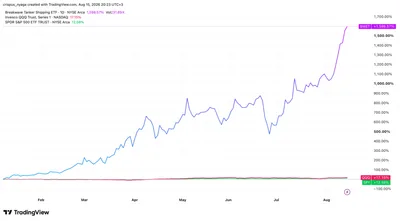
Read more BWET ETF Surges 1,600% in 2026 Amid US-Iran Conflict →
Yet the results also surface a tension worth monitoring. Weakening truck demand is a known headwind across the freight and logistics sector, and any further softening could pressure revenue in ways that even strong margins cannot fully offset. Rising input or labor costs represent a secondary risk that could erode the very profitability gains that made this quarter look attractive. Investors should weigh whether the current margin expansion is structural or partly a timing benefit.
Looking further out, PACCAR's investment outlook reportedly projects substantial revenue and earnings growth through 2029, a horizon that implies confidence in a demand recovery cycle. Whether that trajectory materializes will depend heavily on freight activity, fleet replacement cycles, and the pace of transition toward cleaner powertrain technologies — all variables that remain genuinely uncertain at this stage of the economic cycle.
Continue reading at Simply Wall Street