OpenAI Eyes 2027 IPO Delay as SpaceX Weighs Mobile Expansion
OpenAI may push its public debut to 2027, while SpaceX is exploring a bigger footprint in mobile services, signaling major strategic pivots.
Two of the most closely watched private companies in America are apparently in no rush to follow conventional playbooks. OpenAI, the artificial intelligence powerhouse behind ChatGPT, is reportedly considering pushing its long-anticipated initial public offering back to 2027 — a move that would extend its life as a private entity well beyond what many Wall Street observers had expected. For a company that has become synonymous with the generative AI boom, the delay raises meaningful questions about timing, valuation, and the broader appetite for AI-driven listings in an uncertain rate environment.
The calculus behind a potential IPO delay is rarely simple. Companies of OpenAI's profile typically weigh public market conditions against the continued availability of private capital. If institutional investors remain willing to fund growth at favorable terms, there is little incentive to absorb the regulatory scrutiny and quarterly earnings pressure that come with being a public company. A 2027 target would also give OpenAI more runway to demonstrate sustained revenue growth and solidify its competitive moat before facing the demands of public shareholders.
Read more GPIQ's 10% Yield Looks Attractive, But Hidden Costs Matter →
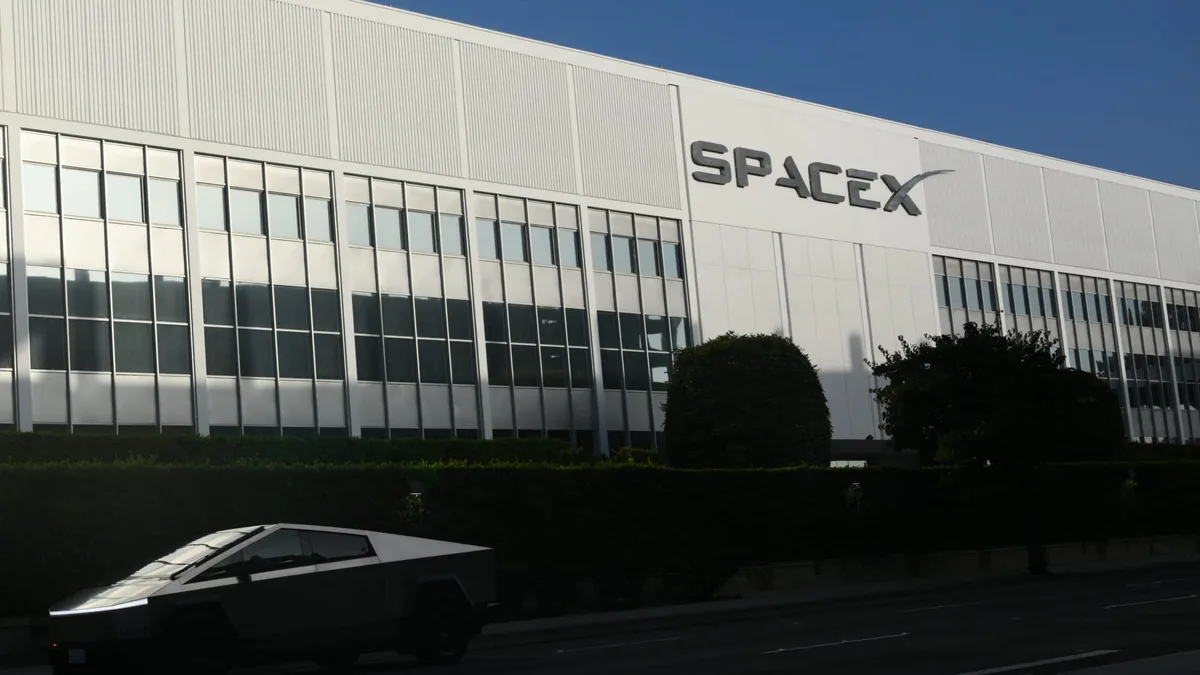
Meanwhile, SpaceX — Elon Musk's aerospace and technology conglomerate — is reportedly evaluating a deeper entry into mobile services. The company already operates Starlink, its satellite internet division, and an expansion into mobile would represent a natural, if ambitious, extension of that infrastructure. Such a move could position SpaceX as a direct competitor to established terrestrial carriers, leveraging its satellite constellation in ways that ground-based networks structurally cannot replicate.
Taken together, these developments underscore a broader trend: the most consequential technology companies of this era are increasingly shaping their own timelines and market categories rather than conforming to traditional investor expectations. Both decisions, if they materialize, would carry significant implications not just for their respective industries but for how markets price innovation and disruption in the years ahead.
Continue reading at CNBC.