Oil Surges on Iran Sanctions Revival as Markets Weigh Inflation Risks
Trump's Treasury revokes Iran's oil sanctions waiver, lifting crude prices while rising inflation expectations and choppy AI stocks cloud the broader market outlook.
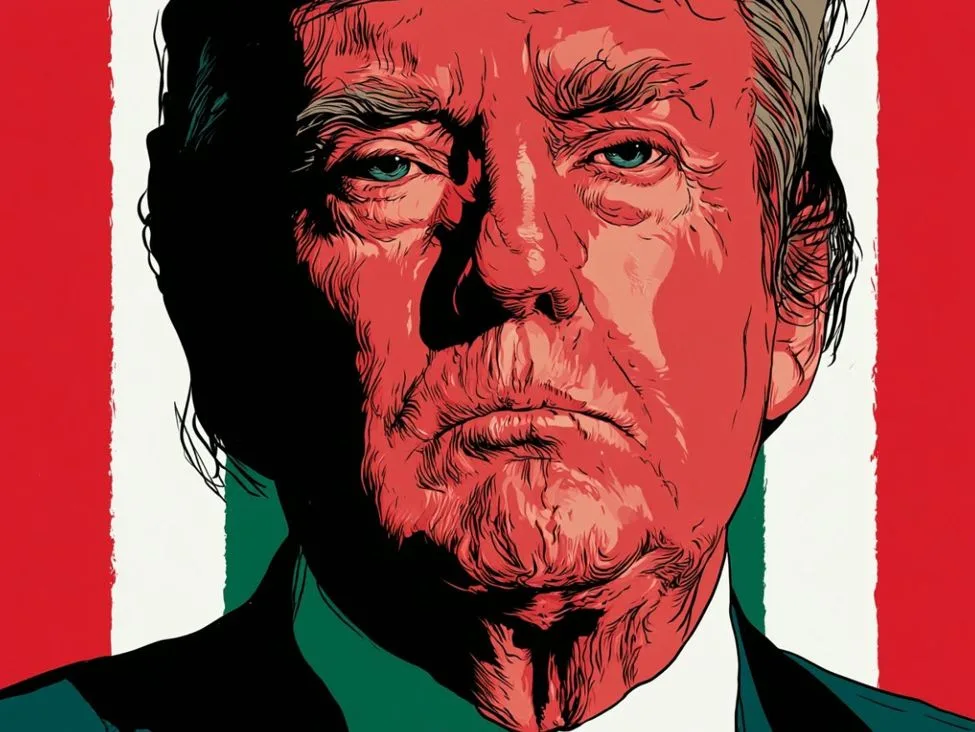
Oil markets finally found their footing Monday after weeks of muted responses to Middle East tensions, with WTI crude jumping $3.45 to settle at $72.00 a barrel. The catalyst was concrete rather than rhetorical: the US Treasury formally revoked a sanctions waiver that had allowed Iranian oil to flow more freely, signaling that diplomatic talks between Washington and Tehran are fraying. Earlier in the session, news of Iranian attacks on tankers had generated only a modest 80-cent move — a telling sign of how skeptical traders had grown toward geopolitical headlines. The afternoon policy action changed that calculus considerably.
The sanctions reversal carries broader implications beyond crude prices. A large convoy of Japanese vessels reportedly departed through the Iran corridor just a day earlier, marking what may be the final passage of stranded oil under the now-voided arrangement. With the memorandum of understanding between the two sides showing little sign of holding, energy markets face genuine uncertainty about supply continuity — a dynamic that could sustain upward pressure on oil if no new framework emerges in the near term.
Read more Adobe Stock Jumps 5.6% But Trades Far Below Estimated Fair Value →
Elsewhere in markets, the picture was more unsettled. US 10-year Treasury yields climbed 7 basis points to 4.55%, moving in tandem with oil prices and reinforcing inflation concerns already surfacing in the data. The New York Fed's latest consumer survey showed one-year inflation expectations rising to their highest level since 2023 — notably, even as respondents anticipated lower oil prices ahead. That divergence suggests inflationary pressures are broadening beyond energy, complicating the Federal Reserve's calculus. New York Fed President John Williams offered little new guidance, sticking to a steady-growth narrative.
Equities struggled to find direction, with the S&P 500 slipping 0.4% on the day. The AI-linked chip sector bore the brunt of selling pressure, with several names tumbling as much as 10% and essentially erasing their June gains. The violent two-way price action in these stocks may reflect a market reassessing the pace and durability of AI-driven earnings growth rather than abandoning the thesis outright. Trade data offered a modest bright spot: the US trade deficit narrowed slightly to $77.6 billion against an estimated $78.5 billion, while Canada posted a stronger-than-expected surplus of $4.24 billion for May.
Continue reading at Forexlive.