Oil Surges 10% as Trump Blockades Iran and Claims Hormuz Control
Trump's Iran blockade and a 20% Hormuz shipping toll rattled markets, spiking oil nearly 10% while stocks and bonds sold off sharply.
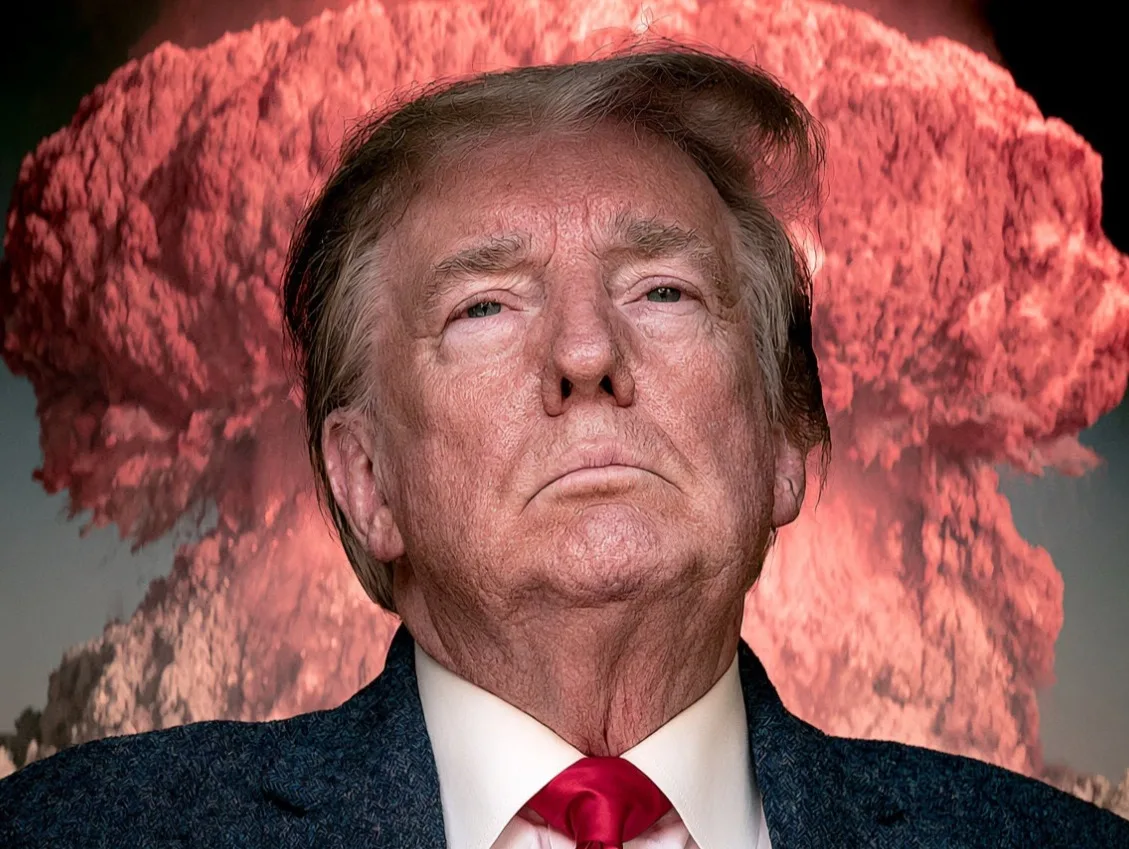
A dramatic escalation in U.S.-Iran tensions sent crude oil prices surging nearly 10% on Wednesday after President Trump announced a full naval blockade of Iran and declared American control over the Strait of Hormuz — the critical chokepoint through which roughly a fifth of the world's oil supply flows. WTI crude settled up $6.24 at $77.64, recovering most of an intraday spike that briefly pushed prices even higher before some late-session profit-taking.
The White House compounded the geopolitical shock by imposing a 20% toll on all commercial shipping transiting the Strait, framed as payment for U.S.-guaranteed safe passage. Fresh American strikes on Iranian commercial vessels accompanied the announcement, signaling a posture that markets are reading as an open-ended military campaign rather than a surgical warning shot. Trump indicated he would address the nation Thursday evening, potentially laying the groundwork for a more sustained operation — a prospect that kept risk assets under pressure into the close.
Read more Adobe Stock Jumps 5.6% But Trades Far Below Estimated Fair Value →
The dual blow of rising oil and tightening monetary expectations hammered equities broadly. The S&P 500 fell 0.8% and the Nasdaq dropped 1.7%, with chip stocks among the hardest hit: Micron shed nearly 5% and Intel fell close to 7%. The selling was notable for its consistency — stocks, currencies, and bonds all finished near the extremes of the session, suggesting conviction rather than noise behind the moves.
Federal Reserve Governor Christopher Waller amplified the market stress by completing what traders described as a full pivot away from his earlier dovish posture. Waller warned that another hot core inflation reading this week could force the FOMC to consider raising rates, a comment that pushed market-implied odds of a July 29 hike to roughly 40%. Two-year Treasury yields climbed 5.7 basis points to 4.26%, their highest level since February 2025 — before the Fed's three consecutive rate cuts. The dollar strengthened broadly, with the Australian dollar the session's biggest loser in G10 FX.
The convergence of an energy supply shock and a hawkish Fed repricing is a particularly uncomfortable combination for risk assets. Bank earnings kick off Thursday, offering the next major signal on whether corporate America is absorbing these pressures or beginning to crack. Continue reading at Forexlive.