Nvidia's Robotics Bet and the Smarter Way to Play It
Jensen Huang sees humanoid robots as a multitrillion-dollar opportunity. Here's what that means for investors beyond the obvious Nvidia trade.
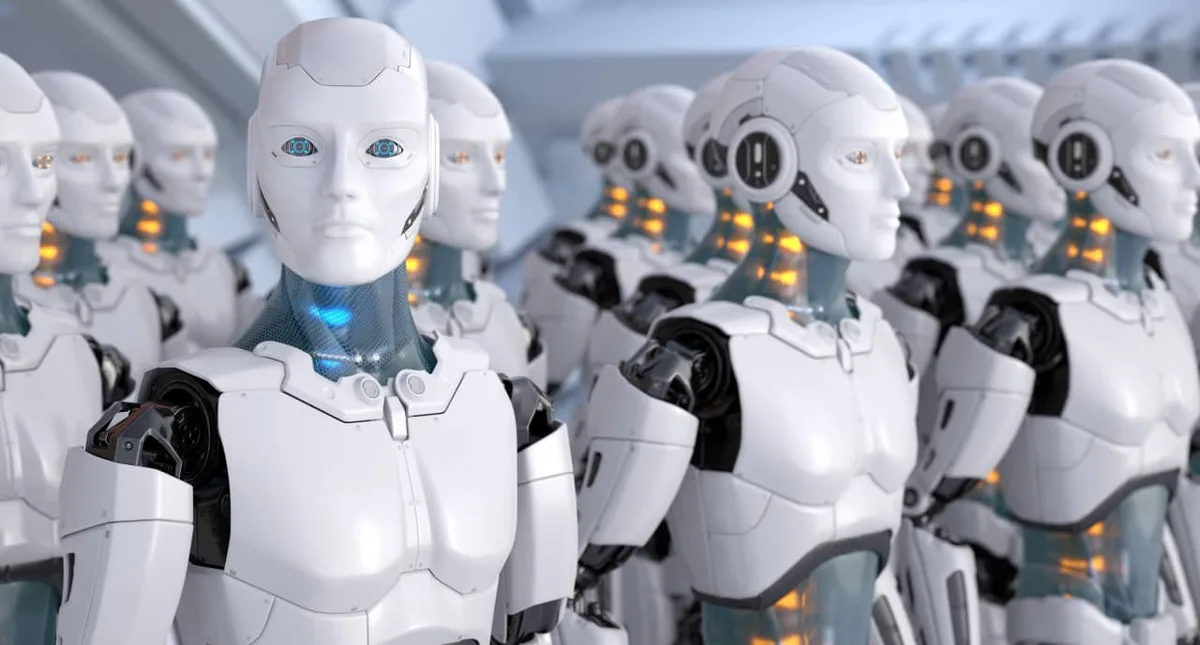
Nvidia CEO Jensen Huang has positioned his company at the center of what he describes as a "multitrillion-dollar economic opportunity" in humanoid robotics — a bold claim that is increasingly reshaping how sophisticated investors think about exposure to the sector. While Nvidia's own chips power much of the artificial intelligence infrastructure underlying modern robotics platforms, the stock's already-elevated valuation means the obvious trade may carry more risk than reward for investors arriving late.
The robotics boom Huang envisions is not simply about machines that walk and talk. It encompasses the entire industrial and logistical automation stack — from the sensors and actuators that give robots physical awareness, to the AI models that allow them to make real-time decisions in unstructured environments. Nvidia's CUDA ecosystem and its Isaac robotics platform are designed to sit at the computational core of that stack, making the company a foundational supplier rather than just a hardware vendor.
Read more Analyst Jay Woods Names Two Mag 7 Stocks to Watch Through 2027 →
For investors, this framing raises a critical strategic question: if Nvidia is the picks-and-shovels play on AI broadly, what is the equivalent for robotics specifically? Analysts and portfolio managers increasingly point to component makers, simulation software providers, and specialized semiconductor designers as the less-obvious but potentially higher-leverage ways to gain exposure to the theme without fully absorbing Nvidia's premium multiple.
The broader context matters here. Humanoid robotics is still in an early commercialization phase, meaning the "multitrillion-dollar" figure Huang cites is a long-range projection, not near-term revenue guidance. Patient capital with a multi-year horizon is the implicit requirement for anyone structuring a serious robotics position — and volatility in AI-adjacent sectors suggests the path will be anything but linear.
Continue reading at MarketWatch.com