Nvidia's Next AI Rack System Faces 2028 Delay Amid Manufacturing Strain
Nvidia's next-generation AI rack system is reportedly pushed to 2028, signaling that aggressive annual release cycles may be hitting hard manufacturing limits.
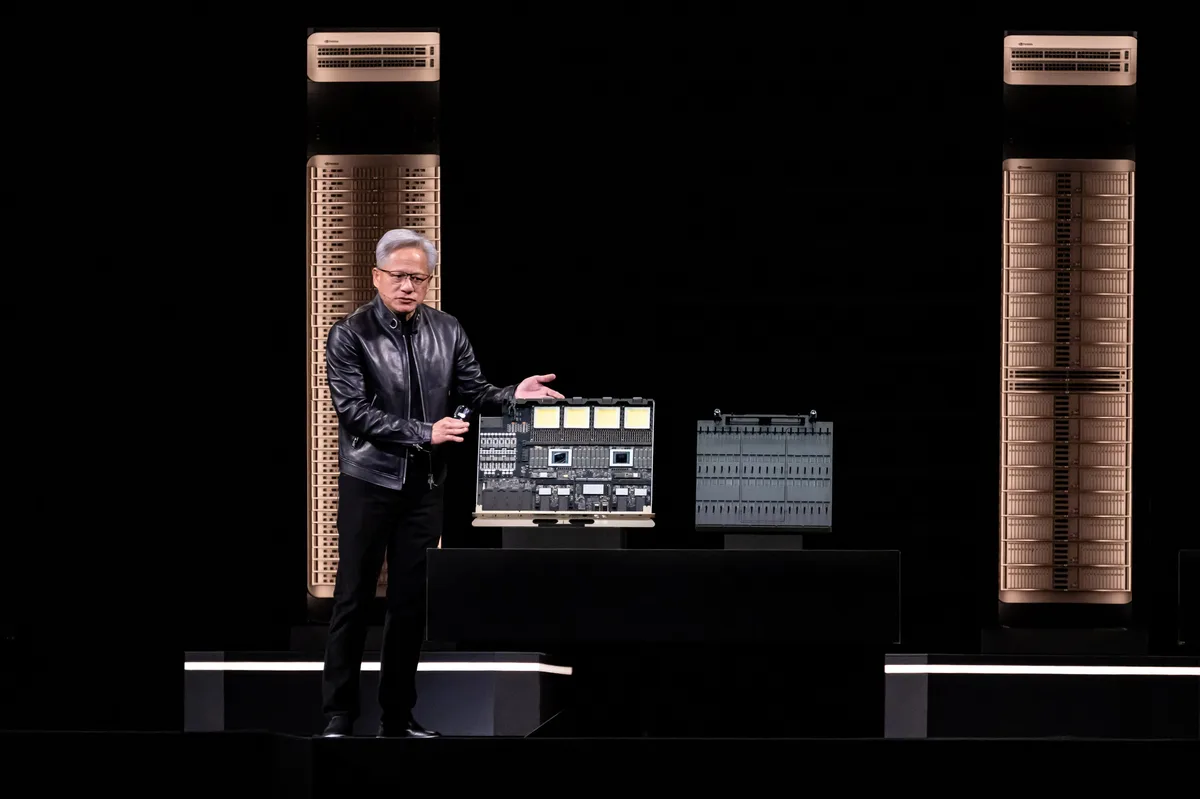
Nvidia's ambitions to maintain a relentless annual cadence of AI hardware releases are running into a stubborn obstacle: the physical and logistical limits of modern manufacturing. According to SemiAnalysis, the company's next-generation AI rack system has been delayed until 2028, a setback that raises broader questions about how long even the most dominant chipmakers can sustain breakneck upgrade cycles in the face of supply chain complexity.
The delay is notable precisely because Nvidia has built much of its market dominance on speed — the ability to ship progressively more powerful AI infrastructure faster than rivals can respond. That strategy has proven extraordinarily effective as hyperscalers and enterprises scrambled to secure compute capacity during the AI investment boom. A slip to 2028 suggests the company is not immune to the engineering and fabrication bottlenecks that have historically constrained the semiconductor industry.
Read more Adobe Stock Jumps 5.6% But Trades Far Below Estimated Fair Value →
Manufacturing snags of this kind are rarely isolated events. Rack-scale AI systems involve intricate coordination across chip design, advanced packaging, power delivery, and thermal management — each a potential choke point. When any one of those layers encounters yield problems or supplier constraints, the entire program can shift. For Nvidia's customers planning multiyear infrastructure buildouts, even a modest delay in next-generation hardware forces difficult decisions about whether to accelerate purchases of current-generation systems or wait for superior capabilities.
The reported timeline also arrives at a moment when competition in the AI accelerator market is intensifying. AMD, Intel, and a wave of custom silicon efforts from cloud providers are all targeting the same enterprise and hyperscaler budgets. Nvidia retains commanding advantages in software ecosystem and installed base, but a delay in its most advanced rack architecture creates a window — however narrow — for rivals to close the gap or lock in new design wins.
For investors and analysts tracking the AI infrastructure cycle, this development serves as a reminder that hardware ambition must ultimately reconcile with manufacturing reality. Continue reading at US Top News and Analysis.