Newsom Backs National Billionaire Tax and Loan Loophole Crackdown
California's governor calls for a minimum tax on billionaires and closing tax-free lifestyle loan loopholes, framing it as an 'economic reset.'
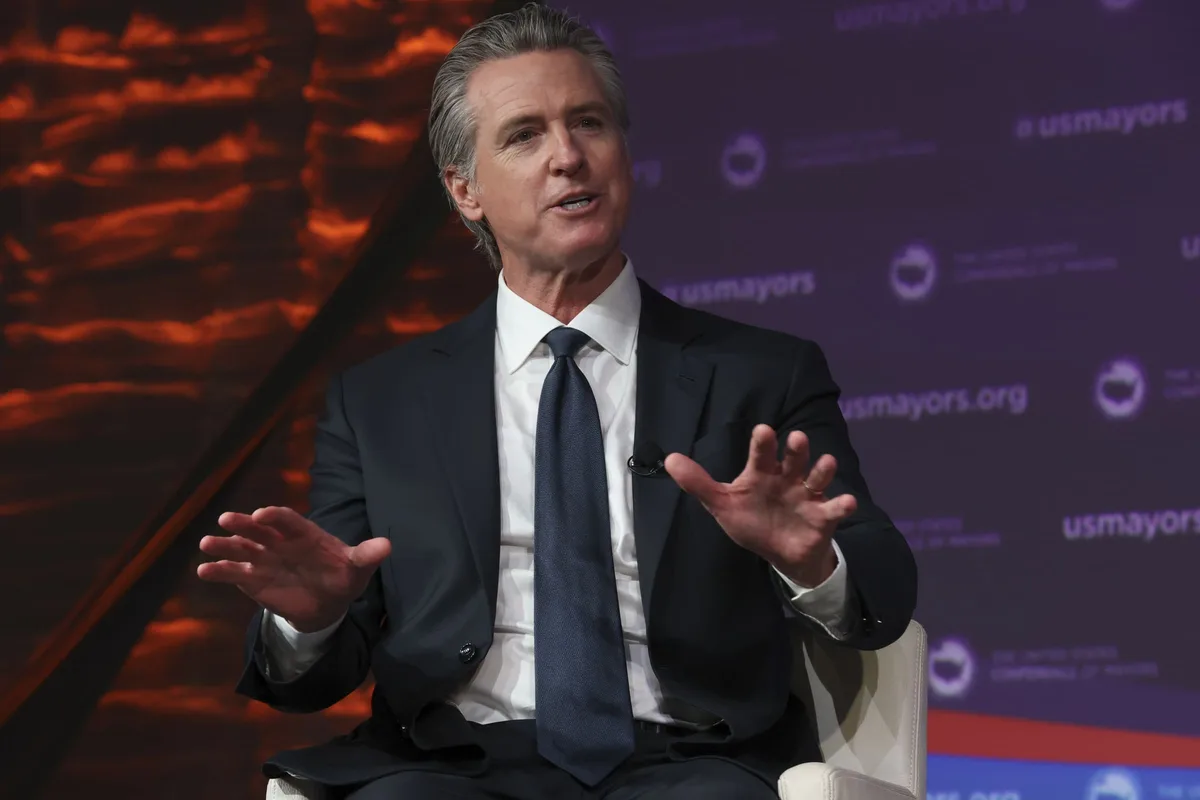
California Governor Gavin Newsom is pushing the national conversation on wealth taxation into sharper focus, publicly endorsing what he calls a "true minimum tax on billionaires" — a proposal that would force the ultra-wealthy to pay a baseline federal rate regardless of how their fortunes are structured. The governor framed the push as nothing less than an "economic reset," signaling an intent to make tax equity a defining political issue heading into the next electoral cycle.
Central to Newsom's argument is the practice sometimes called the "buy, borrow, die" strategy, in which wealthy individuals use their asset portfolios as collateral for large personal loans rather than selling holdings and triggering taxable events. These so-called tax-free lifestyle loans allow billionaires to fund lavish spending without generating income on paper, effectively sidestepping the tax obligations faced by ordinary wage earners. Newsom is explicitly calling for that loophole to be closed.
Read more Netanyahu Faces New Rival: A Hawkish Ex-General Enters Race →
The proposal places Newsom in alignment with a broader progressive wing of the Democratic Party that has long argued the tax code is structurally tilted toward capital over labor. While similar ideas — including Senator Elizabeth Warren's wealth tax and Biden-era billionaire minimum tax proposals — have struggled to gain legislative traction in Washington, Newsom's vocal support elevates the issue's profile and may sharpen intraparty debate about economic fairness.
What makes this moment analytically significant is the political timing. A sitting governor of the largest U.S. state calling for systemic restructuring of how extreme wealth is taxed is not a routine policy statement — it is a positioning move with national implications, particularly for a figure widely seen as a future presidential contender. Whether such a tax could survive constitutional scrutiny and congressional arithmetic remains deeply uncertain, but the rhetorical momentum around taxing billionaire wealth is clearly building.
Continue reading at US Top News and Analysis.